Nature




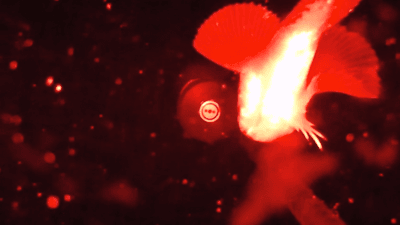


Studying the deep ocean can present a lot of challenges for researchers, but combining different forms of technology can help tell scientists a lot about a particular area. In a new study investigating the bottom of a glacial fjord in Inglefield Bredning, Greenland, a team of researchers used a video camera synced with a hydrophone to learn more about the creatures that use these waters.
The rest of this article is behind a paywall. Please sign in or subscribe to access the full content.Using the hydrophone and camera combined for a period of one week gave the researchers a chance to look closer at the seafloor of this understudied region. The system was also being tested for how narwhals interacted with it, something that had previously been seen as a concern around other equipment. In fact, the whole setup was designed to be as passive and as non-invasive to the ecosystem as possible – for example, with the use of red lights, which do not affect the animals eyes – as experiments like this in the past have been known to attract larger megafauna.
On August 1, 2025, the system was dropped into the water from a boat and settled at around 260 meters (853 feet) deep. The area for the drop was chosen because it has the highest likelihood of hearing narwhals when compared to other areas in the fjord.
The camera was programmed to record 10-minute video clips with audio every 20 minutes, with a 10-minute pause between recording, for a three-day period. During this time, the camera faced upwards to minimize sediment falling on the lens and also to maximize potential footage of narwhals, which are known to approach from above. On August 9, the system was retrieved.
In total, the researchers captured 223 video files, which included animals such as jellyfish, bristle worms, shrimp and fish. While the team thought that opossum shrimp might be the most commonly observed creature in the area, they appeared on the cameras only once. Most of the organisms were observed alone, though some amphipods floated together in pairs.
Narwhals were seen on the camera only once, but were the main source of biophonic sounds; they were recorded on audio every day of the experiment bar August 6. Boat engine noise and the crunching noises generated by icebergs were also recorded.
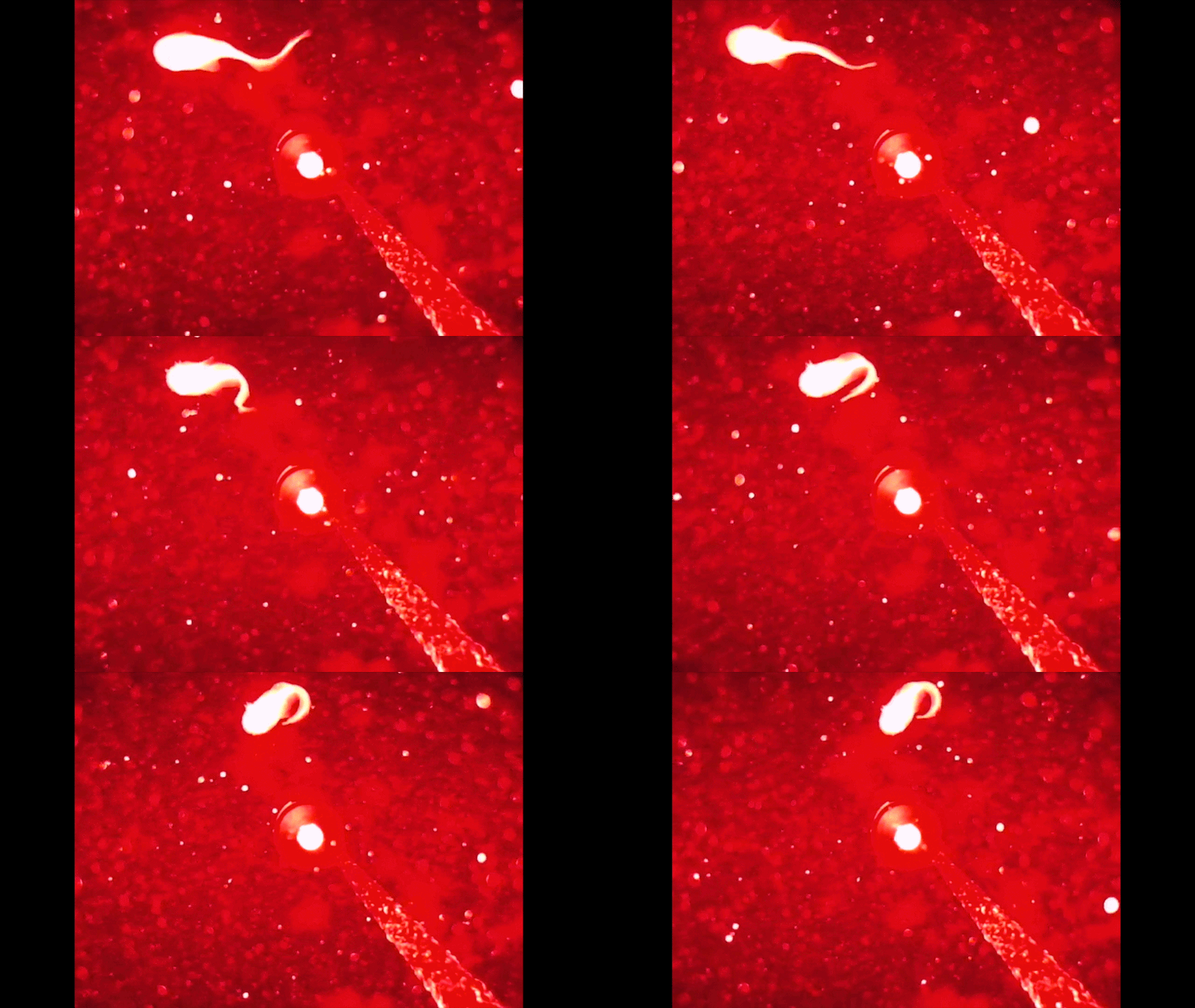
One of the more unusual recordings was a clip of a snailfish that “showed peculiar backward swimming, passively drifting with the current” explained the authors in the paper. It then did not move for around 16 seconds, with its tail curled up, before going out of the video’s frame.
This experiment gave researchers an insight into life in the hyperbenthos, meaning small animals living in the area of water directly above the seafloor. It also presents an alternative option for studying these communities without needing bottom sledges and nets.
The study is published in PLOS One.