Nature
 PUBLISHED


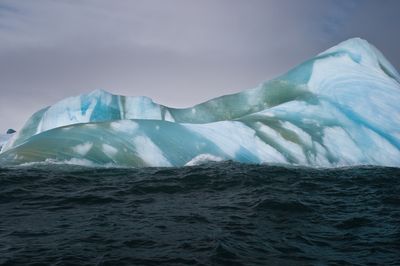


Picturing Antarctica is sure to conjure up images of penguins (not polar bears), and a pristine wilderness full of snowy mountains and floating white icebergs. However, not all icebergs are just one color, as these colorful striped icebergs reveal.
The rest of this article is behind a paywall. Please sign in or subscribe to access the full content.To start with, icebergs are made of snow and glacier ice, which is very compressed snow that has formed ice crystals. They are enormous shards of ice that break off where a glacier meets the sea. The color that you see is caused by the light interacting with the snow and ice within the iceberg, as well as the bubbles of gas trapped within the glacier ice.
These stripes within the white can be a variety of colors and are caused largely by the different ways seawater can freeze within the iceberg itself as it breaks away from land. Blue stripes are the most common and are caused when melted areas within the iceberg are filled with seawater and then freeze super quickly with no bubbles of gas inside.
The timing of these cracks is also important in the stripe formation. If multiple cracks appear at the same time then rows of stripes will form all of the same color. By contrast, stripes that are many different colors have likely formed as the iceberg cracks and refreezes at different times.

Green stripes can be caused by seawater that contains high concentrations of algae freezing within the iceberg. By contrast, brown and even yellow stripes can contain sediment from the ground that was picked up as the ice sheet moved.
1.jpg "Yellow and blue stripes within a white iceberg")
Some jade or green icebergs can form when frozen seawater freezes to the underside of the ice shelf above.
Striped icebergs are unique to Antarctica, where the extremely cold conditions allow these stripes to form.