Nature
 PUBLISHED
 1
1


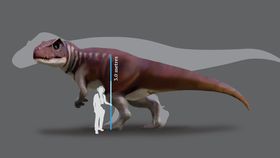


Long before Tyrannosaurs were terrifying the fauna of North America, Australia had something almost as large. No bones of such a beast have been located, but footprints found decades ago but not studied until now confirm their existence.
The rest of this article is behind a paywall. Please sign in or subscribe to access the full content.Australia was once considered a dinosaur backwater, hosting only relatively puny specimens. Over recent decades, this has been refuted with discoveries of some impressively large sauropod bones and a world record footprint. All that abundant meat should have attracted predators, but their fossils are so far missing.
“I’ve always wondered, where were Australia’s big carnivorous dinosaurs?” said Dr Anthony Romilio of the University of Queensland in a statement.
A stroke of luck led Romilio to detailed descriptions of dinosaur footprints on the roofs of Queensland caves. He's since been delving deeper into that resource, and now has made possibly his most significant finding yet.
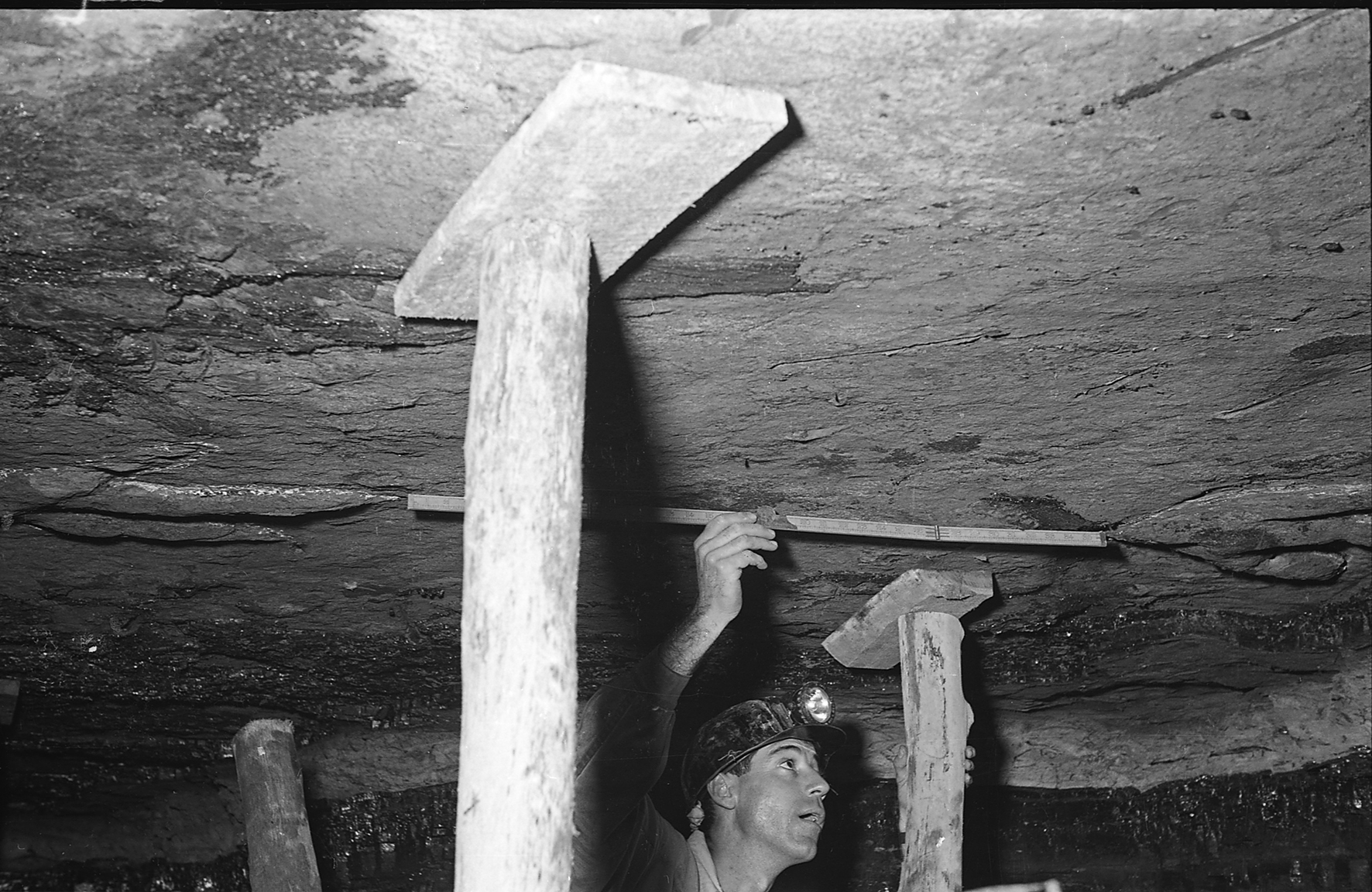
Many underground coal mines across Queensland had dinosaur footprints embossed on the roof. The mines are long closed, but Romilio told IFLScience that photographs and plaster casts were sometimes taken and he has been able to locate some, combining them with prints chiseled out of the ceilings and stored in the Queensland Museum.
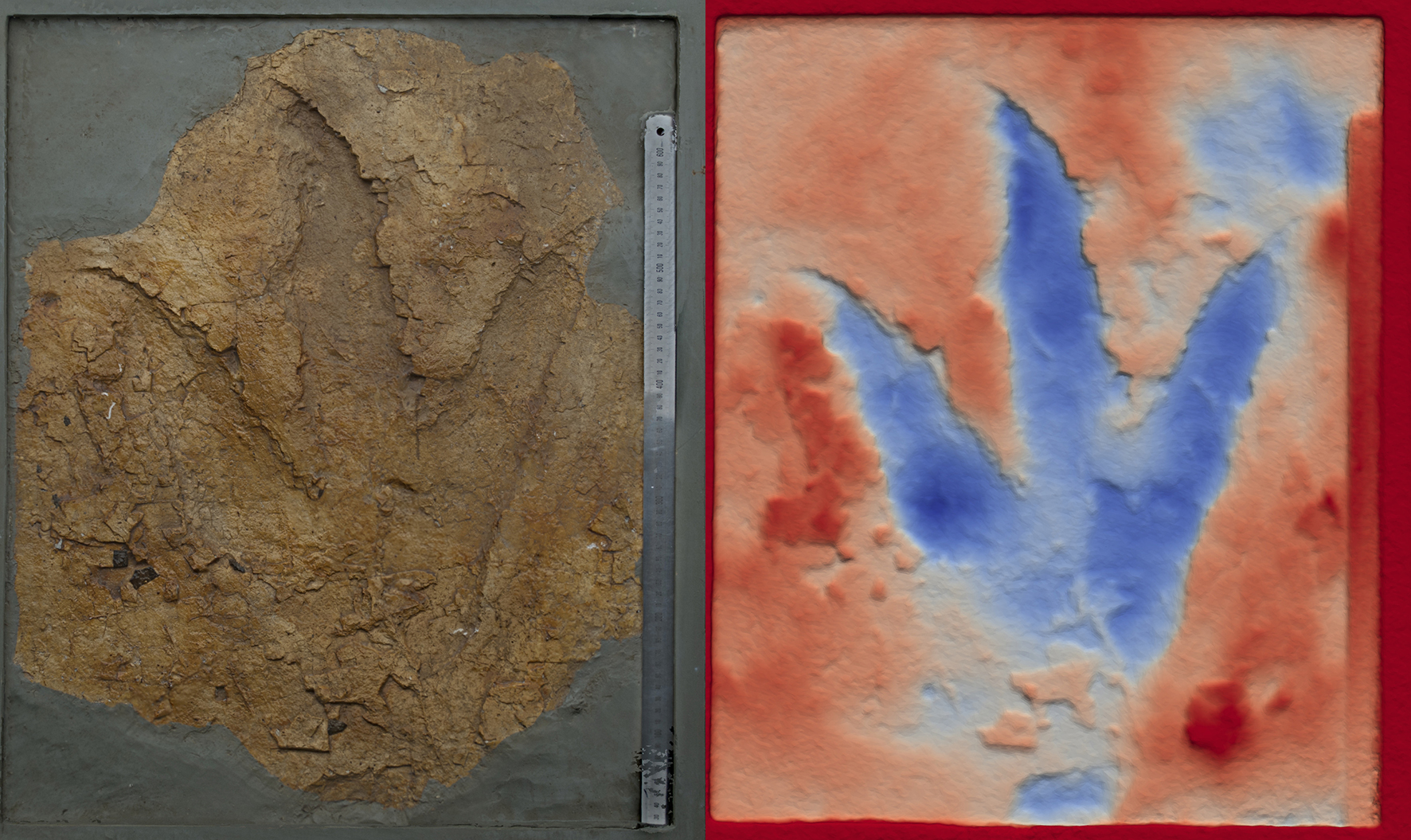
“Most of these footprints are around 50 to 60 centimeters in length (about 20 to 24 inches), with some of the really huge tracks measuring nearly 80 centimeters,” Romilio said. Clearly, the prints impressed people to go to that effort decades ago, but they've since been neglected, as any one who recognized them as coming from theropods didn't get around to telling the world.
Romilio has now addressed that with a paper in Historical Biology. “We estimate these tracks were made by large-bodied carnivorous dinosaurs, some of which were up to 3 meters (10 feet) high at the hips and probably around 10 meters (33 feet) long,” he said. “To put that into perspective, T. rex got to about 3.25 meters (10.66 feet) at the hips and attained lengths of 12 to 13 meters (39 to 42 feet) long, but it didn’t appear until 90 million years after our Queensland giants. At the time, these were probably some of the largest predatory dinosaurs on the planet.”
The tracks were formed by dinosaurs squelching across swampy ground. Floods deposited sediment in the depressions, which subsequently turned to sandstone, while the organic material beneath became coal.
Australia lacks many dinosaur finds, Romilio told IFLScience, because its geologic stability has usually kept its ancient past buried, while other continents have lifted deposits up where we can find them.
“We only find these things when we go digging for them,” he said.
Open-cut mining – which destroys footprints before they can be found – has largely replaced underground mines in Australia, making Romilio pessimistic about finding new prints. The old mines are too dangerous to enter. Romilio's hope is former miners took casts or photographs, and publicity could draw forth examples stored in family attics.