Nature
 PUBLISHED



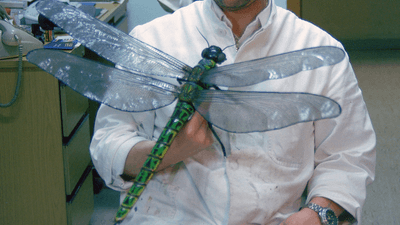


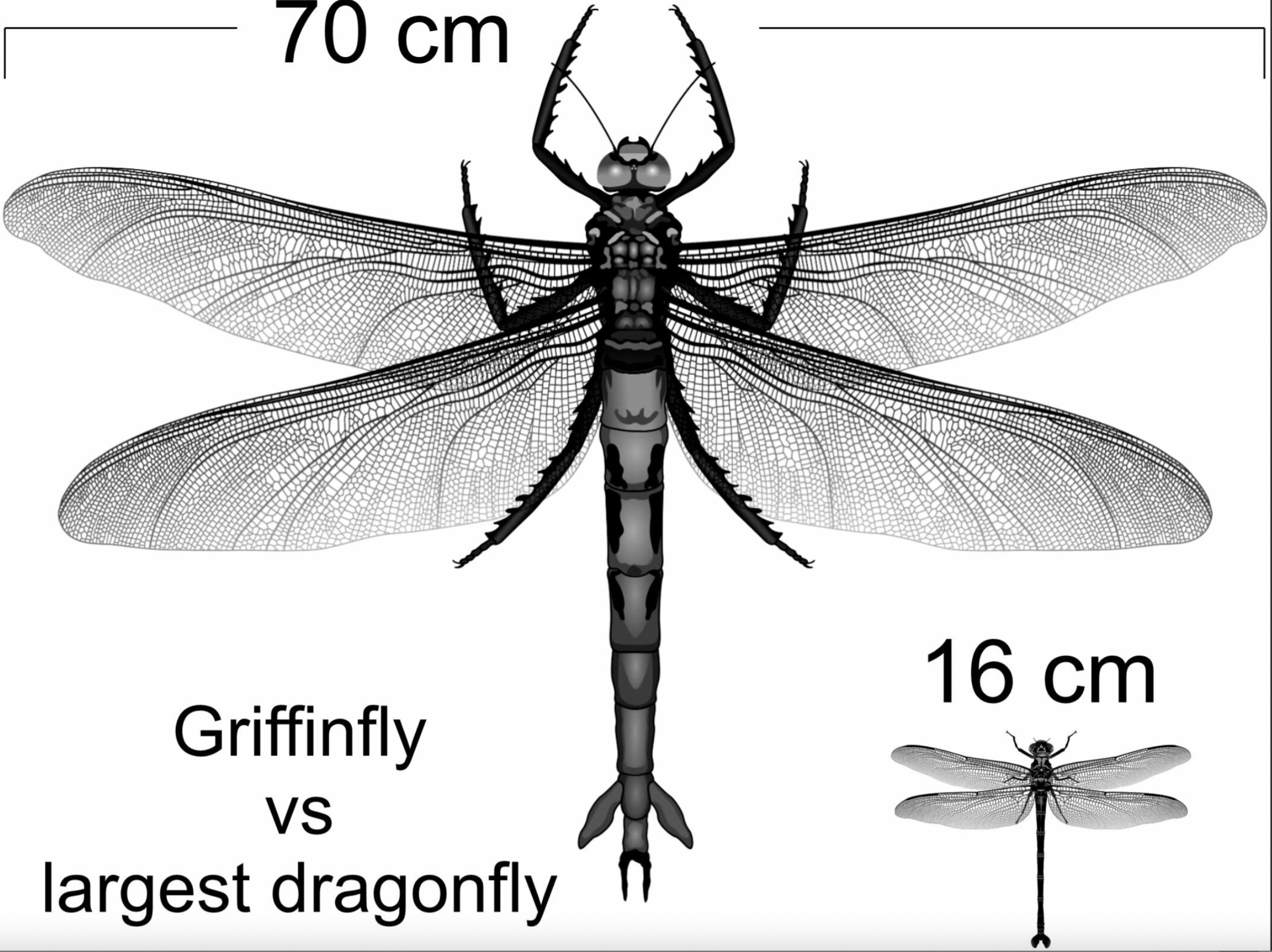
Fossil relatives of dragonflies, known as griffinflies, had wingspans of 70 centimeters (28 inches) 300 million years ago, and they weren’t the era’s only insects that far exceeded their modern counterparts. Ever since these ancient giants were discovered, biologists have had a simple account of this decline: modern oxygen levels cannot support insects of such size. New research casts doubt on that explanation.
The rest of this article is behind a paywall. Please sign in or subscribe to access the full content.During the Carboniferous Period, oxygen levels in the atmosphere were up to 45 percent higher than they are today, as newly evolved trees photosynthesized like mad. The connection between this abundant oxygen and the presence of such giant insects has seemed obvious. Insects don’t have lungs; instead, they diffuse oxygen through airways all over their bodies that end in tubes called tracheoles. Larger bodies require more oxygen, but surface area doesn’t grow as fast. Consequently, the logic ran, above a certain size, insects can’t obtain enough oxygen to support their lifestyle. As oxygen levels shrink, that size ceiling comes down.
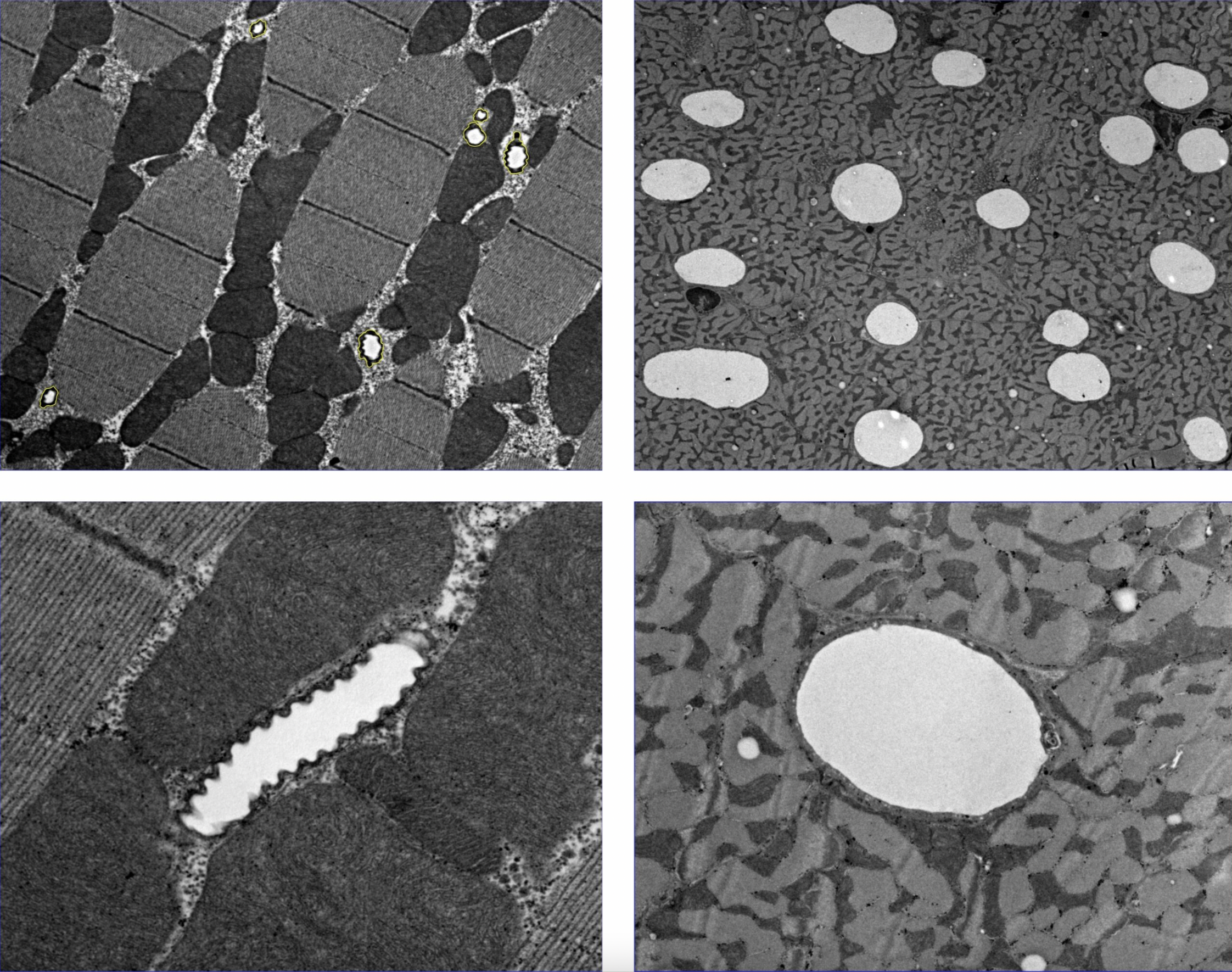
However, an examination of tracheole density in flight muscles indicates they take up less than 1 percent of the muscle size. Therefore, the authors of the new study reason, there’s plenty of room for giant insects to add more tracheoles to counteract oxygen decline. The fact that they shrank instead means something else must be going on.
The authors studied the tracheoles in 44 insect species across 10 orders, with the largest weighing 10,000 times as much as the smallest. They found remarkably little difference in how much of the muscle tracheoles take up, from 0.47 percent in insects weighing half a milligram, up to 0.83 percent in those that weigh 5 grams.
Some fossils of the largest griffinfly, Meganeuropsis permiana, are so well-preserved that we can see the tracheoles. The authors report these had muscles that were only around 1 percent tracheoles, despite weighing around 100 grams (3.5 ounces).
“If atmospheric oxygen really sets a limit on the maximum body size of insects, then there ought to be evidence of compensation at the level of the tracheoles,” said lead author Dr Edward (Ned) Snelling of the University of Pretoria in a statement. “There is some compensation occurring in larger insects, but it is trivial in the grand scheme of things.”
Supporters of the oxygen-limitation explanation might argue that even though 1 percent sounds small, going much above it would weaken the muscles. However, study author Professor Roger Seymour of Adelaide University noted, “By comparison, capillaries in the cardiac muscle of birds and mammals occupy about ten-times the relative space than tracheoles occupy in the flight muscle of insects, so there must be great evolutionary potential to ramp up investment of tracheoles if oxygen transport were really limiting body size.”
Griffinflies were not alone in growing to enormous size during the Carboniferous; there were also insects described as “resembling mayflies”, to the extent that is possible when your wings are 45 centimeters (18 inches) across.
For more than half the time since insects appeared, the size of their largest representatives in the fossil record roughly tracked with oxygen abundance. However, around 135 million years ago, this link was broken. The atmosphere was not as oxygen-rich in the Cretaceous as in the Carboniferous, but levels were higher than today and much higher than during the Jurassic. However, flying insects didn’t seize the opportunity to regain much of their former size, which the authors propose is probably because they now had airborne competition and predators from birds and pterosaurs.
Alternatively, the authors say something about modern insect exoskeletons may limit their size in the way their ancestors’ outer layer did not.
Seymour told IFLScience, “When an insect takes off its oxygen demand goes up 150 times.” Therefore, if oxygen really were the limiting factor, insects that don’t fly would still be growing to enormous size, as would spiders, which obtain their oxygen in a similar manner. Even if you’re sad we don’t have dragonflies the size of doves, be grateful that whatever has caused them to shrink did the same thing to other arthropods.
According to Seymour, the idea that atmospheric oxygen represents the limiting factor for survival arises from confusion between the limits of an individual organism and what evolution can offer. “Structure depends on the demand for oxygen,” Seymour told IFLScience, rather than imposing restrictions on how much oxygen is available, as most scientists believe.
Seymour notes that humans can barely operate at the top of Mount Everest, even after acclimatizing. However, he told IFLScience, the bar-headed goose “not only survives at those heights, it flies” when migrating over the Himalayas. As the mountain range rose, evolutionary pressure benefited the geese whose lungs could capture the thin oxygen at ever greater heights, and the lungs adapted. Insects could do the equivalent, Seymour argued, if that didn’t push them into a niche that birds have made too dangerous.
The study is published in Nature.