Nature
 PUBLISHED



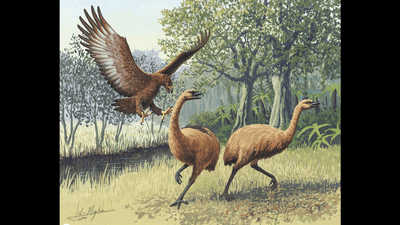


If ever there were a bird to convince you they are dinosaurs, it would surely be the moa. While some of the nine species were more modest in build – the smallest about the size of a turkey – these animals also represented the tallest birds the planet has ever seen at 3.6 meters (11.8 feet).
The rest of this article is behind a paywall. Please sign in or subscribe to access the full content.Their phenotype – consisting of beefy legs and no wings – makes it seem like they emerged from some subsection of birds that never achieved flight. Not so, says the fossil record. Moa likely evolved from flying ancestors and only later decided to give up flight. Once they settled on New Zealand and became isolated from ground-dwelling predators, they had no need for it.
As Zealandia – recognized as a continent in 2017 – submerged and emerged from the ocean, moa diversified, fulfilling the role of grazers that was occupied by mammals elsewhere on Earth. Some parts of the world got ruminants like cows and bison. New Zealand got enormous flightless birds.
They were ecosystem engineers, grazing on the landscape and redistributing and controlling plant populations. Life on land was good, so it figures they gave up the energetic cost of taking to the skies. What’s a little unusual is how far they took it.
Flightless birds are found in many environments on Earth. We have the world’s most dangerous birds, cassowaries, repping the on-the-run lifestyle in New Guinea, Indonesia, and Australia. Ostriches have traded flying for some seriously impressive dancing in Africa. Then there are the island birds like rails, kākāpō, and kiwis, all of which live exclusively on the ground.
Collectively they’re known as ratites, a group that moas also belonged to. Moas, however, stood above the rest for one unique feature: they didn't have wings. Not even vestigial ones.
While some ratites are still proudly rocking their wings, even if they don’t use them for taking off, others have reduced in size the longer their owners have gone without needing them. It would be hard to locate a kiwi’s wings by looking at it, but even these birds have tiny vestigial flappers. They’re adorable. A bit ridiculous, if we’re honest, but they do come complete with a cat-like claw on the end.
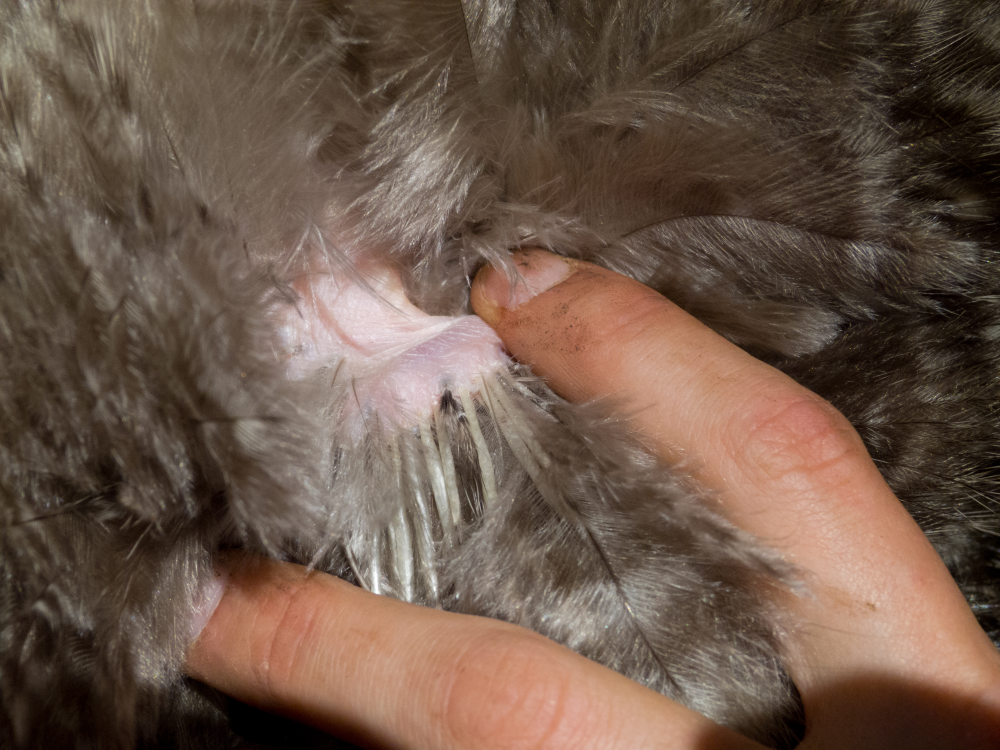
Other extinct giants like the elephant birds of the Aepyornithidae family also had useless vestigial wings, lost in the mass of their enormous bodies.
The moa, though? Not a wing nubbin in sight – making it the only known example of a bird without wings.
Enormous size was the best defense for the South Island moa against fearsome Haast's eagles. These predatory birds hunted them until humans arrived in New Zealand over 700 years ago. 100 years after that, they were gone.
Strange to imagine, isn’t it? That humans once walked among such enormous, unusual birds. Stranger still is that some folks are hoping we’ll soon get to see such a creature alive and kicking.