Humans
 PUBLISHED
 12
12




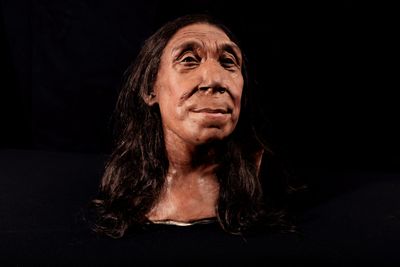


We still don’t fully understand why Neanderthals became extinct while our species thrived, although low fertility rates are believed to have played a role in the demise of our prehistoric cousins. The reasons for these reproductive failures are likely to be varied, yet a new theory suggests that high rates of fatal pregnancy complications may have been a major culprit.
The rest of this article is behind a paywall. Please sign in or subscribe to access the full content.Specifically, preeclampsia and eclampsia are hypothesized to have blighted Neanderthal pregnancies, posing serious threats to both mothers and babies, as well as the species as a whole.
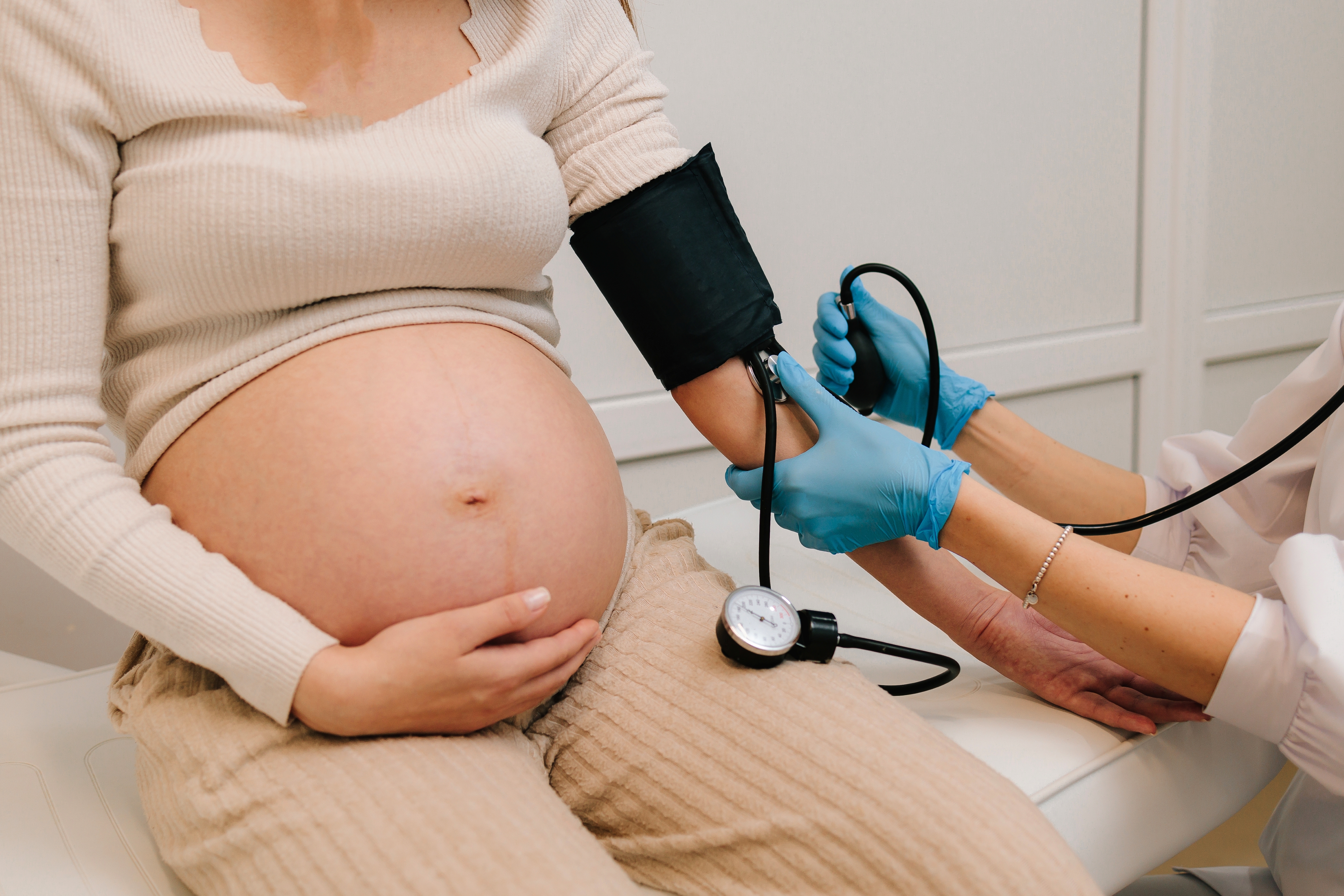
Caused by improper implantation of the placenta, preeclampsia is characterized by a lack of blood flow to the developing fetus, leading to fetal growth restriction (FGR). For the mother, this can trigger a dangerous increase in blood pressure, sometimes resulting in full-blown eclampsia, which usually involves seizures.
Today, preeclampsia is thought to arise in 2 to 8 percent of human pregnancies, with eclampsia occurring in roughly 1 percent. And while modern medical advances have largely mitigated the risks associated with these complications, they still cause some 70,000 maternal deaths per year, as well as about half a million perinatal deaths.
Curiously, of all the 4,300 mammal species currently in existence, ours is the only one to experience preeclampsia or eclampsia. According to the researchers behind the new theory, Neanderthal placental implantation mechanisms resemble those seen in modern humans, which means they may well have suffered from these pregnancy complications too.
Despite this, the authors write that “preeclampsia, the principal human reproductive complication, is never cited by anthropologists as a possible explanation of the well known low fecundity rates in Neanderthals communities.”
Exploring the topic further, the researchers go on to explain that in modern humans, 75 percent of FGR cases fail to trigger preeclampsia or eclampsia. This implies that our species has evolved some sort of safety mechanism that protects mothers from these devastating complications when the placenta fails to implant properly.
Without this evolutionary safeguard, the researchers estimate that preeclampsia rates would likely be as high as 10to 20 percent, while 4 to 5 percent of pregnancies would result in eclampsia. This, in turn, could lead to the death of around 4 percent of first-time mothers, dwarfing the threat posed by postpartum hemorrhage, which is currently the leading cause of maternal death worldwide.
The question, therefore, is whether Neanderthals developed the same “safeguards” as modern humans. According to the study authors, there’s every chance they didn’t, as certain Neanderthal genes seem to suggest that they were more susceptible to preeclampsia than we are.
For instance, a Neanderthal variant of a gene called H19 may have heightened their risk of hypertension, thus exacerbating the symptoms of preeclampsia. Other Neanderthal genes that regulate maternal-fetal immune interactions, meanwhile, may have increased their chances of shallow placental implantation.
These threats may have increased once Neanderthals began mating with modern humans, as certain genes that control oxygenation in red blood cells may have led to an incompatibility between Neanderthal mothers and hybrid fetuses carrying modern human variants of these genes. Given that Neanderthals vanished shortly after they began interbreeding with our own species, it’s beginning to look plausible that pregnancy complications caused by this incompatibility may have played a role.
“From an evolutionary medicine perspective, the emergence of a reproductive safeguard in which most pregnancies with superficial placentation do not precipitate a life-threatening maternal syndrome would have been essential for human survival,” write the researchers. The fact that these protections seem to be in place in Homo sapiens may therefore be key to our success as a species.
Neanderthals, on the other hand, may well have lacked these safeguards, resulting in higher rates of maternal and perinatal deaths and ultimately contributing to their extinction.
The study is published in the Journal of Reproductive Immunology.