Nature
 PUBLISHED





Natural history museums and herbariums are home to remarkable specimens, some of which may represent mysteries. Unnamed exhibits can be identified tens to hundreds of years after their discovery, meanwhile some identified species can be exposed as frauds.
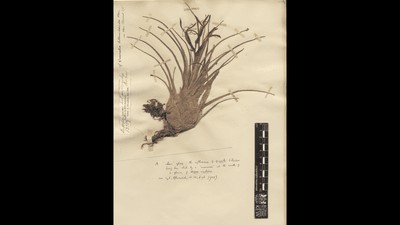
The rest of this article is behind a paywall. Please sign in or subscribe to access the full content.This was true of Quesnelia tillandsioides, a plant that was collected by distinguished Victorian botanist Auguste Glaziou in 1882. It was later described by assistant keeper for the Royal Botanic Gardens, Kew, J G Baker, as a new species in 1892 and was even published and illustrated in Flora Brasiliensis, but the identity wouldn’t stick.
In 1906, closer inspection of the specimen revealed that it wasn’t a unique species but instead two separate plants that had been stuck together. The carefully constructed composite included the flowers of Quesnelia liboniana inserted into the rosette of Vriesea poenulata.
Why would Glaziou do such a thing? It’s a good question.
It even looks quite silly when you know what was done.
Eloise Johl
Hoaxes have plagued natural history for pretty much as long as humans have been studying it. From our botched attempts to put early skeletons together to evolutionary oddities that have been painted into being, we find all kinds of impostors hidden among legitimate specimens. Turns out, botanical collections are no different.
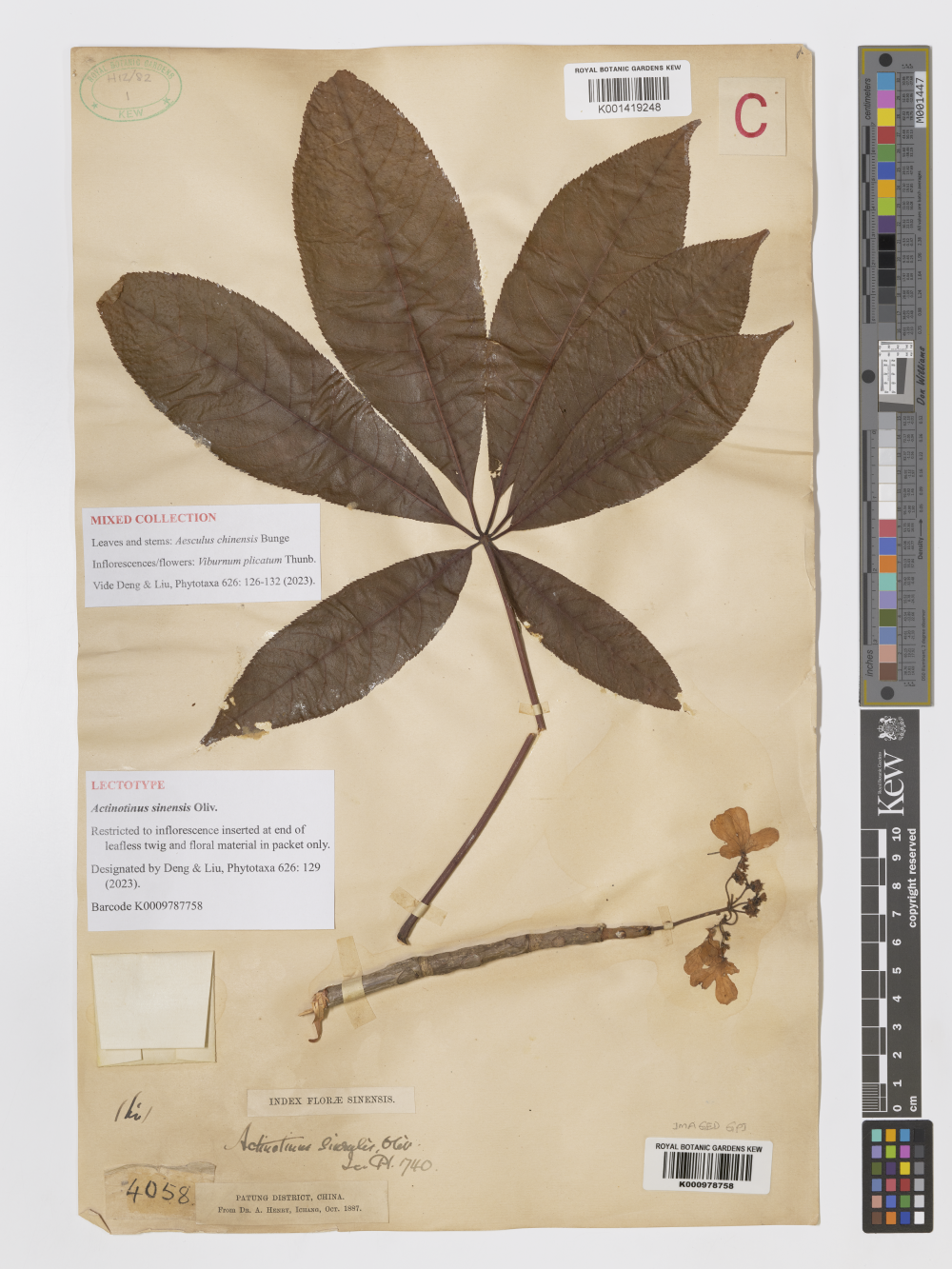
“Kew has two specimens from a botanist named Dr Augustine Henry that have the flowers of a Virbunum plant inserted into the branches of an Aesculus, despite being titled as the fake species 'Actinotinus sinensis',” Eloise Johl, Digitisation Curator at Kew, told IFLScience. “These specimens came from central China and were collected by Dr Henry's local collector, who he blames the forgery on. This can be seen written about in some letters Dr Henry sent to Kew in the late 1800s.”
“During the colonial era, plant collectors were looking for the newest, rarest, and most profitable plants, which may explain why this was carried out. Unfortunately, local expertise was very rarely recorded, so we may never know the real story of Henry’s collector and why they carried out this hoax.”
According to Johl, Henry’s approach involved literally inserting the Virbunum flower’s branches into the branches of Aesculus. “It even looks quite silly when you know what was done,” she said.
“Glaziou's specimen saw him simply place the flower inside the bromeliad plant prior to pressing, which was more easily hidden inside the cup-shaped base of the plant. This may be why Glaziou’s bromeliad hoax went undiscovered for 24 years!"
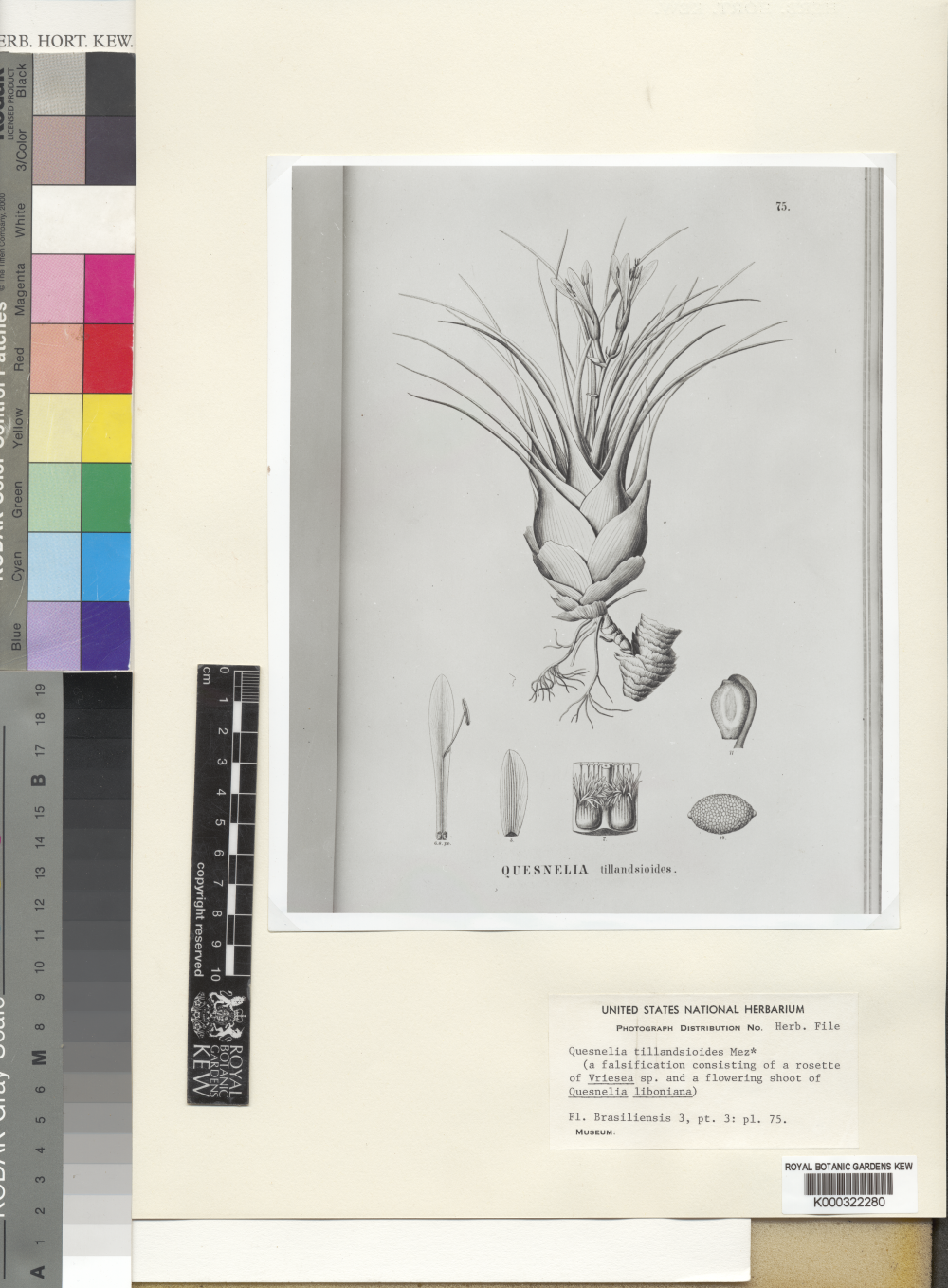
Johl’s investigations form part of Kew’s groundbreaking Digitisation Project, which has unlocked the collection data of around 7 million specimens in Kew’s Herbarium collection. Such rich data makes it easier to highlight inconsistencies and foil hoaxes, but it’s also hoped the collection (which is freely available to everyone globally) will accelerate research to save species from extinction, combat climate change, and discover novel medicines.
Perhaps we have Frankenstein plants like Quesnelia tillandsioides to thank for making our botanists work that much harder. It’s amazing what you can learn while unmasking an impostor.
Curious about scientific hoaxes? We asked palaeontologists “How to Fake A Fossil” in Issue 36 of our digital magazine CURIOUS. Older issues of CURIOUS are free for all users. To access new issues, become an All Access Member.