Nature




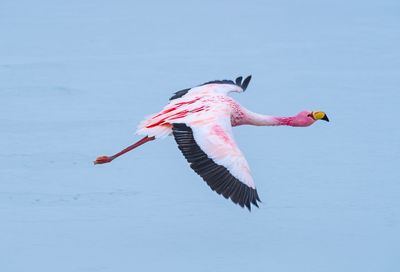


There are six species of flamingo that live across much of the world, found in wetland parts of America, Europe, Asia, and Africa. All six species share the common trait of their easily recognizable bright pink feathers, the hallmark of all flamingos – but what makes them so pink, and could we change them?
The rest of this article is behind a paywall. Please sign in or subscribe to access the full content.Tiny flamingo chicks are hatched with fluffy gray-white down but gradually acquire their color as they age. That fabulous pink color actually comes from their diet. Flamingos are filter feeders, sifting algae, brine shrimp, and crustaceans from the water through their beaks.
“When they hatch, they're covered in down to start with, which is a sort of gray/white color. And even as their feathers start coming through, they tend to be white to start with. And it takes them a good couple of years – in a few molts, where they lose their feathers and replace them – before they get this pink color,” Tim Savage, Section Manager of Birds at the UK's Whipsnade Zoo, told IFLScience's CURIOUS magazine.
“Interestingly, when pairs of flamingos are feeding chicks, because obviously they're passing a lot of that food over to their chicks, their feathers actually get sort of washed out. So the adults get a bit lighter. They're not as pink as they would be.”
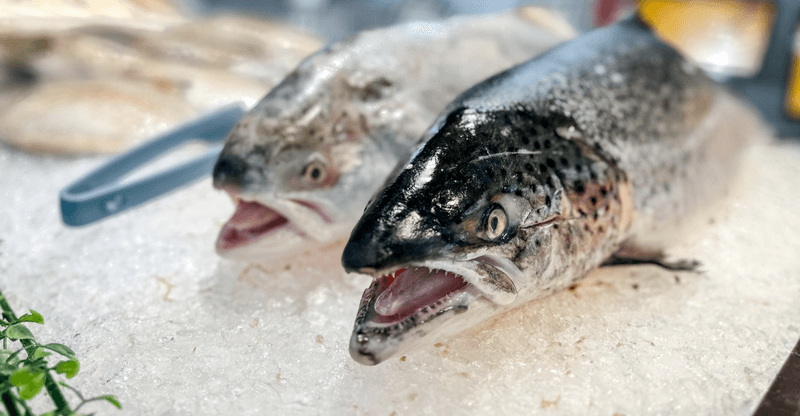
It’s actually the algae that gives the flamingos their color in the wild. The algae is eaten by the brine shrimp, which are in turn eaten by the flamingos. The algae contain pigments called carotenoids, which can be red, orange, or yellow; these build up in the brine shrimp and then are ingested by the flamingos, turning their feathers a beautiful pink hue. The same thing happens in wild salmon, turning their insides pink.
Flamingos are specially adapted to eat these foods, although their surrounding waters may be highly alkaline and corrosive. Flamingo livers break down these foods into their constituent parts, but the carotenoids, in particular beta-carotene, are then deposited into the feathers, eventually turning them pink.
So how do you ensure flamingoes in captivity also reach peak perfect pink?
"We have to feed them this bespoke pellet [with this] pigment, called canthaxanthin. It's a carotenoid pigment, and that's put into the pellet at the processing stage, and then when the flamingos eat it, they are actually ingesting that as well, and that's what helps keep their lovely pink color," explained Whipsnade and ZSL London Zoo Diet Management Officer Amanda Ferguson to CURIOUS.
"Carotenoids are a special group of substances. The colors that they generally give are kind of the red, yellow, orange kind of color, and that's the color that these natural organisms have inside them that then gets transferred into the flamingos, into their feathers, so they grow out with these beautiful red colored feathers."
If the process is that simple, could it therefore be manipulated to achieve different results or even a blue flamingo?
Blue is an interesting color in nature. There are no naturally occurring blue mammals and most of the blue we see, such as butterfly wings or mandrills’ faces, is actually a product of light interacting with proteins in the skin, rather than being caused by an ingested food.
"Blue and green are generally not produced by pigments. They're produced by the feathers having a certain structure, and the way that the light hits the feathers. And that's how you see all these lovely, vibrant blues and greens. So if you're thinking of the kingfisher with the blue, that's all to do with physics, really, the physics of the light hitting the feathers and then bouncing off, and then we perceive just the blue color," Ferguson explained.
So, injecting a blue or purple chemical into a flamingo's food wouldn't make any difference.
"If you give any other dye or substance that's not a carotenoid, it will get broken down in the stomach and digested and metabolized. It doesn't ever get transferred into the feathers," said Ferguson. "If you feed it lots of green food coloring or blue food coloring, it won't make any difference to the bird at all, it will just get digested and [eventually] excreted."
You couldn’t turn a flamingo blue with food dye, the coloring would just be filtered out by the body. Oh, and that thing we said about blue mammals? We might have to change our minds on that one...