Nature
 PUBLISHED
 2
2



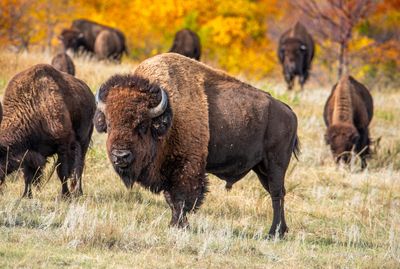


On May 9, 2026, the American bison will have been the national mammal of the US for 10 years. But how did we get here? What even is a national mammal, and how close did the US come to losing its now iconic species forever? We take a look at the history of the American bison – and its possible future.
The rest of this article is behind a paywall. Please sign in or subscribe to access the full content.American bison (Bison bison) are the largest mammals in North America, with the males weighing up to 900 kilograms (2,000 pounds) and standing at 1.8 meters (6 feet) tall. They were once plentiful across much of the continent, even roaming the grasslands of what is now Mexico. In fact, they have been part of the environment for more than 100,000 years, and there is some suggestion that between 30-60 million bison lived in North America at the beginning of the 19th century, most of which were found in the US.
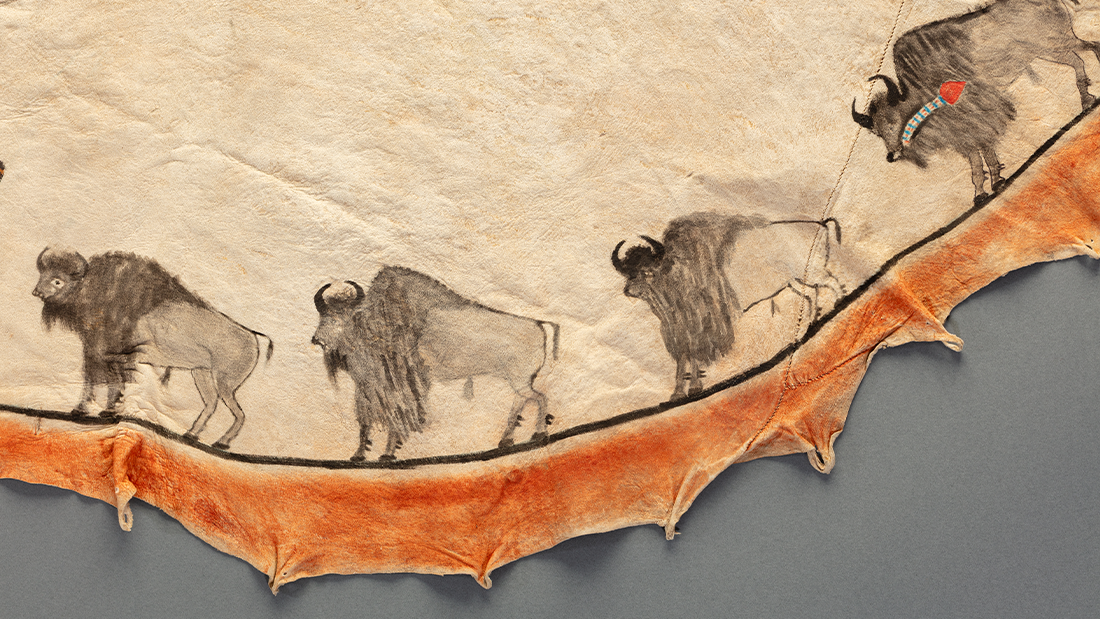
Vitally important to the many Indigenous peoples that lived on this land, bison were an incredibly useful species both in terms of resources, but also for their cultural and spiritual significance. They had an ecological significance too, acting as ecosystem engineers for their habitat.
However, by the late 1800s, settlers in the US began to push west, and hunted the animal close to extinction. The process was encouraged by the US Government, which wanted to displace Native American communities and disturb their traditions. The introduction of high-powered rifles and the transcontinental railway were also contributing factors in reducing bison numbers from millions to far fewer. By the end of the 19th century, it was thought that only around 500 bison remained.
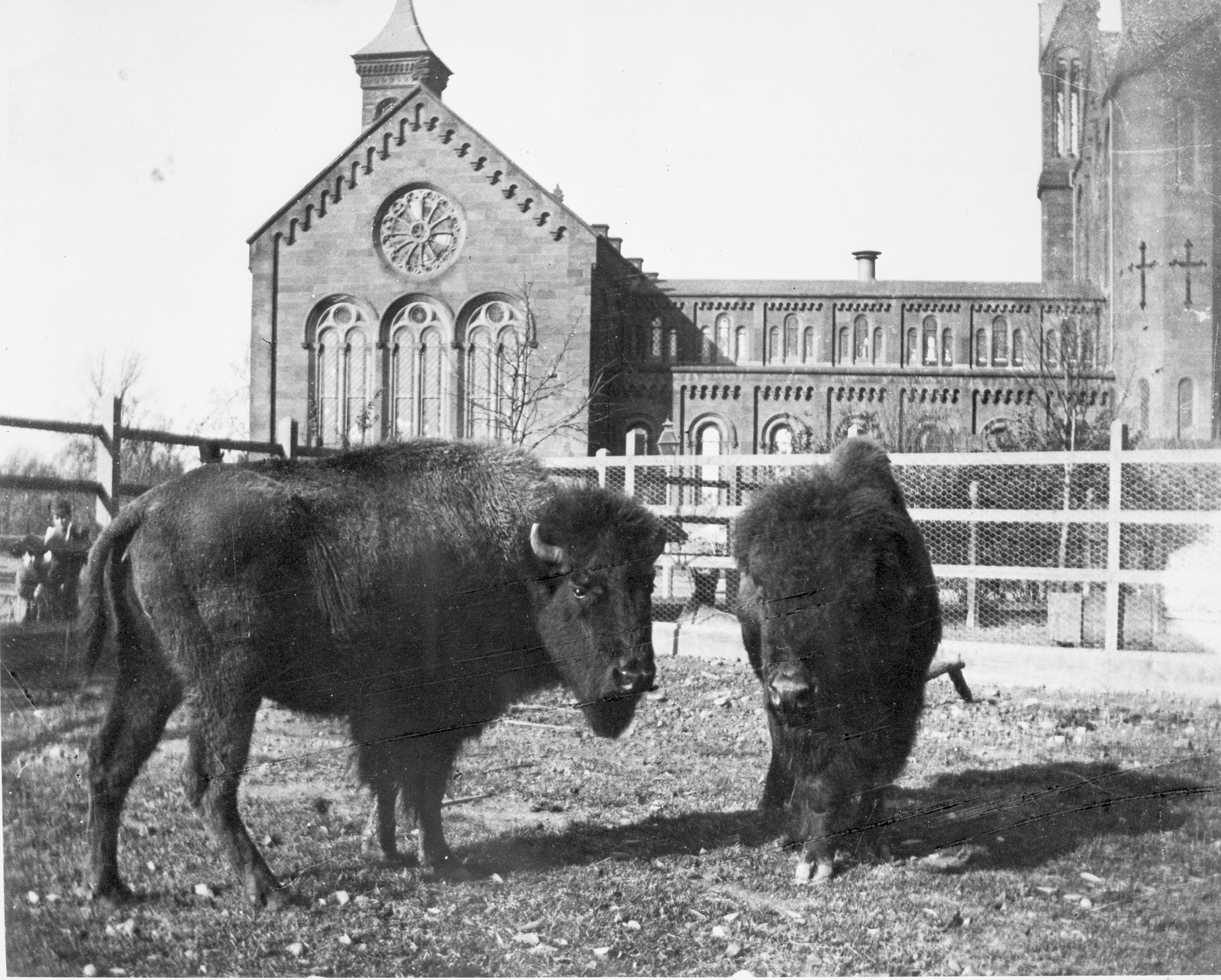
Then, in 1905, a group including then-President Theodore Roosevelt and William Hornaday formed the American Bison Society to save the animals from extinction; Hornaday even moved some animals to the National Mall behind the Smithsonian Castle, preceding the National Zoo. The Department of the Interior also collaborated with others to protect the remaining bison.
Over the years, through ongoing conservation work – which included working with Indigenous tribes, and creating protected areas and breeding programs – the bison was saved from the brink of extinction. Today, around 500,000 bison can be found in the US, most of which belong to commercial private bison herds, though some roam in national parks and conservation herds.
On May 9, 2016 the bison became America’s first national mammal with the signing of the National Bison Legacy Act, and the species joined the bald eagle as a national symbol. Ten years later, the Smithsonian’s National Museum of Natural History has created an exhibition to celebrate the bison and the USA’s 250th this year. "Bison: Standing Strong" will run until May 2029 and feature both history, a taxidermy bull, and an exploration of the animal’s turbulent past.
The turbulence might not be over however. The Trump administration is reportedly trying to evict bison herds from grasslands in Montana, and replace them with cattle.
The 900 bison owned by American Prairie, a non-profit, have spent the last 20 years grazing on public land. However, this winter, the US Bureau of Land Management canceled the bison permits, deeming the bison to be wildlife, not livestock. This pits conservation groups and Native American tribes against ranchers and Republican leaders.
It seems the plight of the bison is far from over yet.