Space and Physics
 PUBLISHED



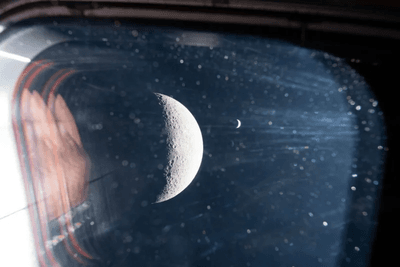


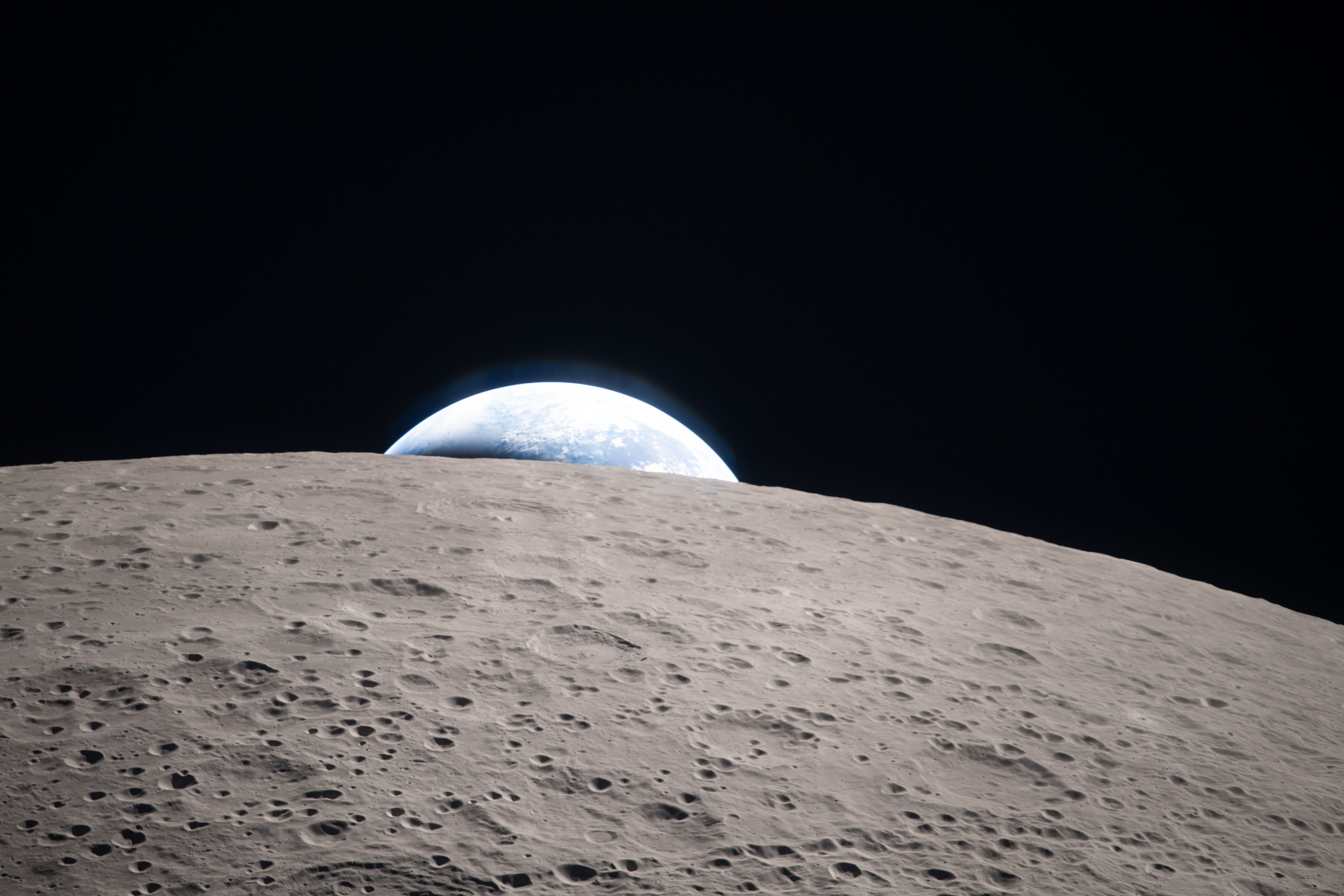
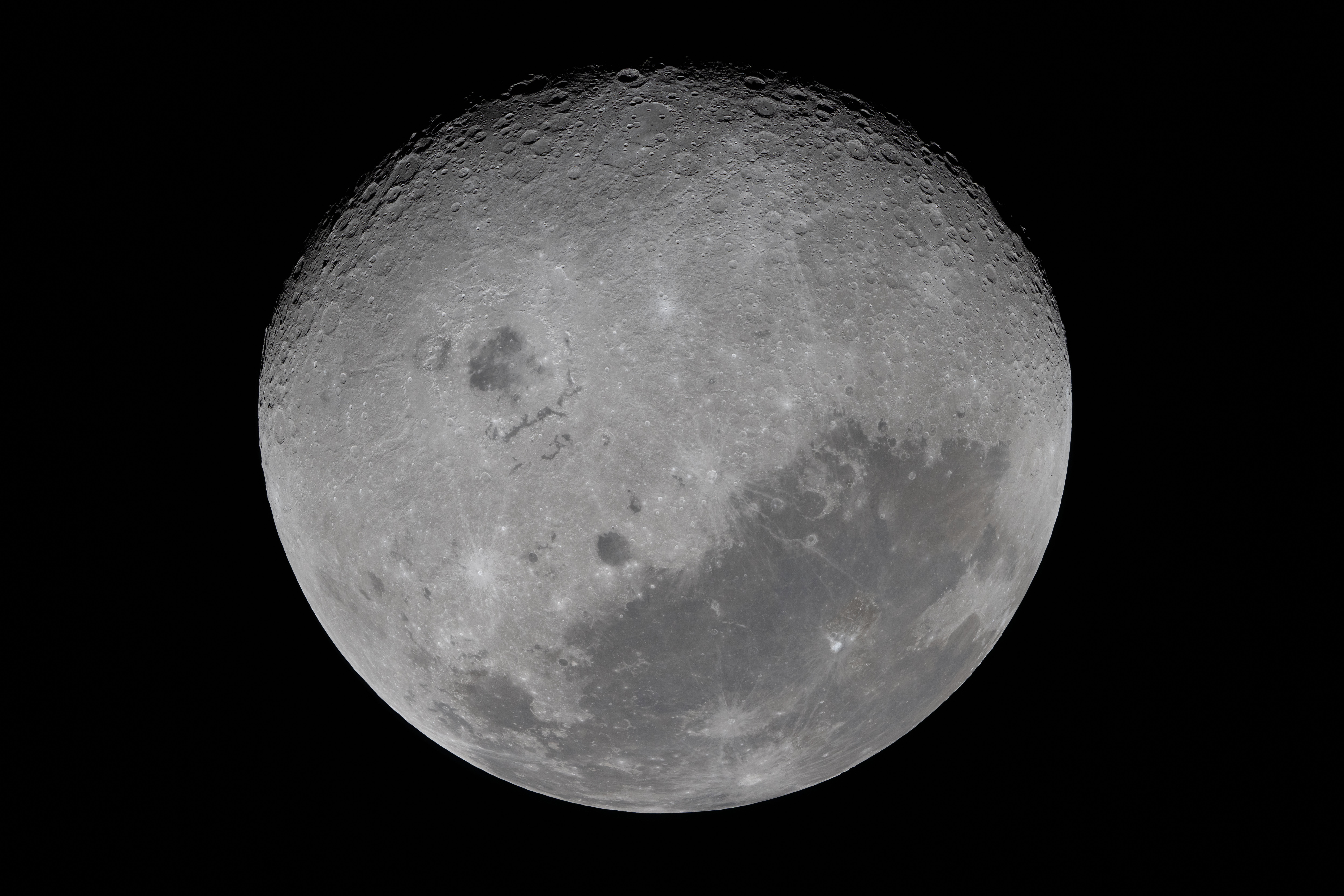
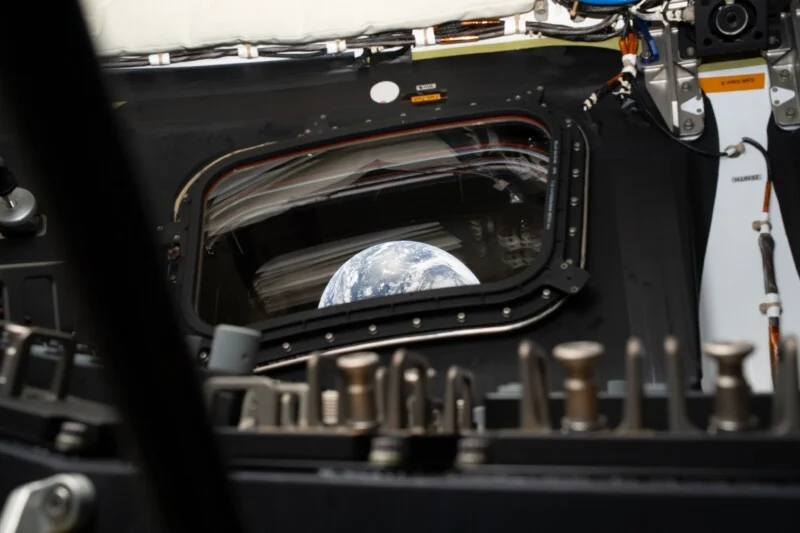
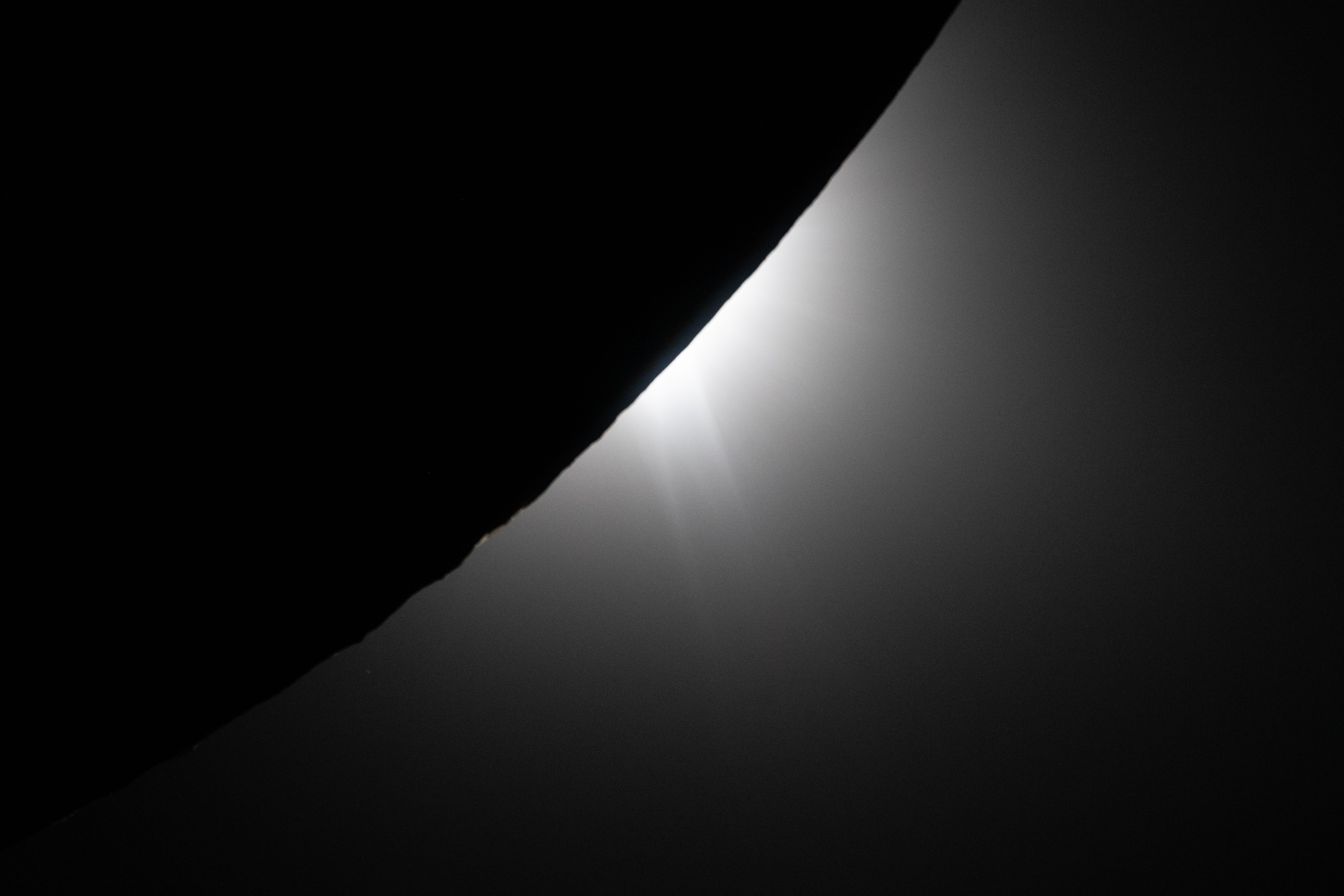
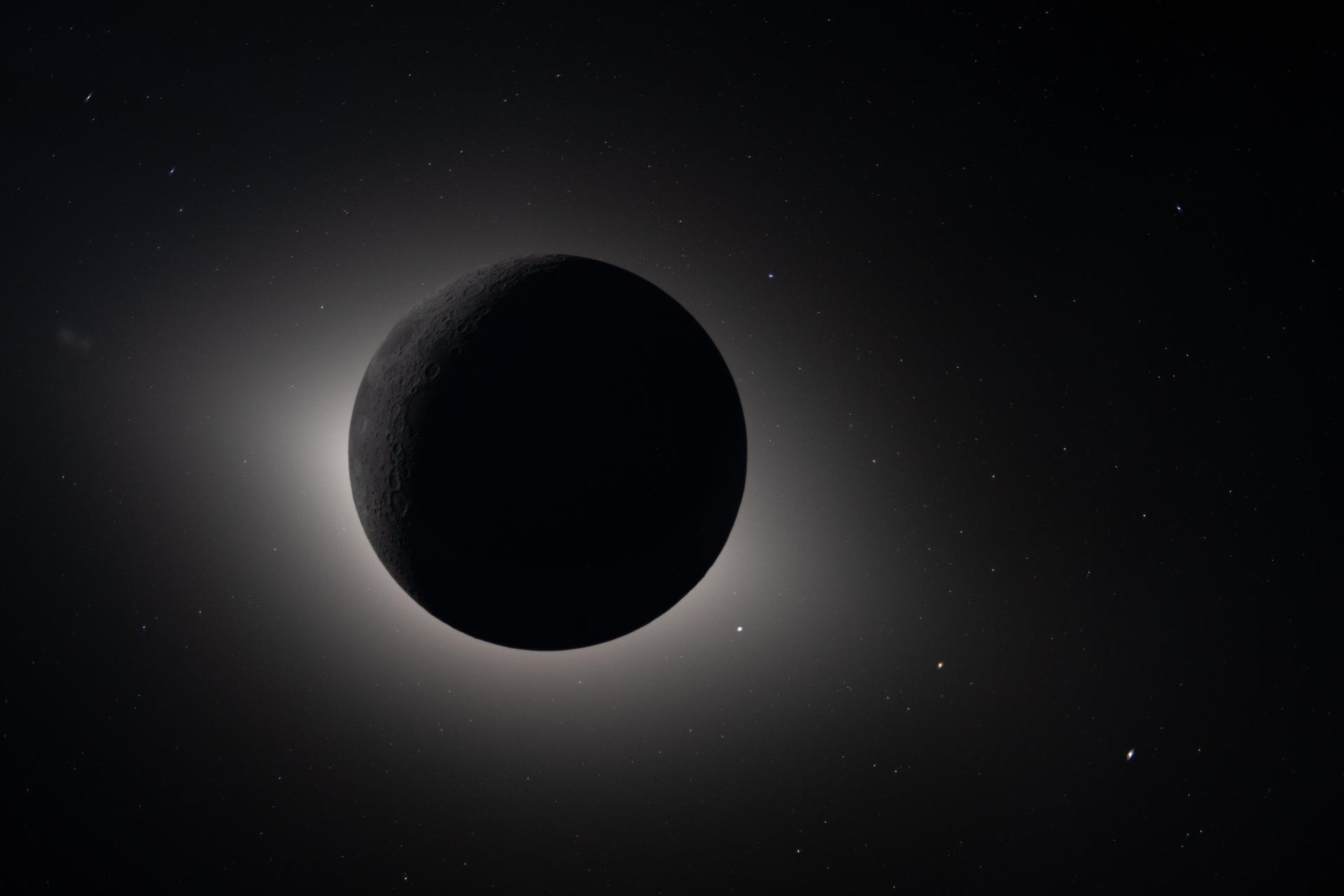
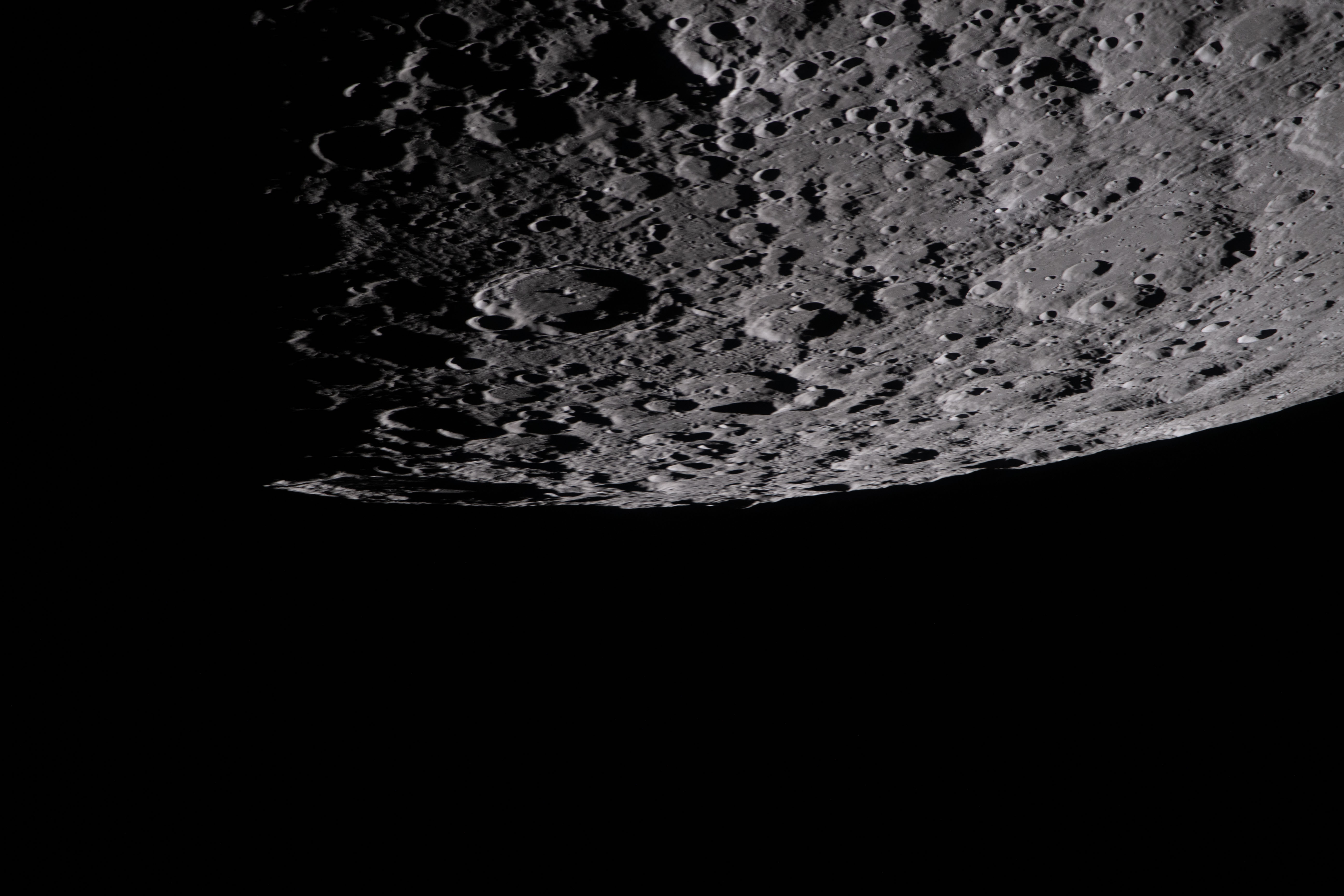
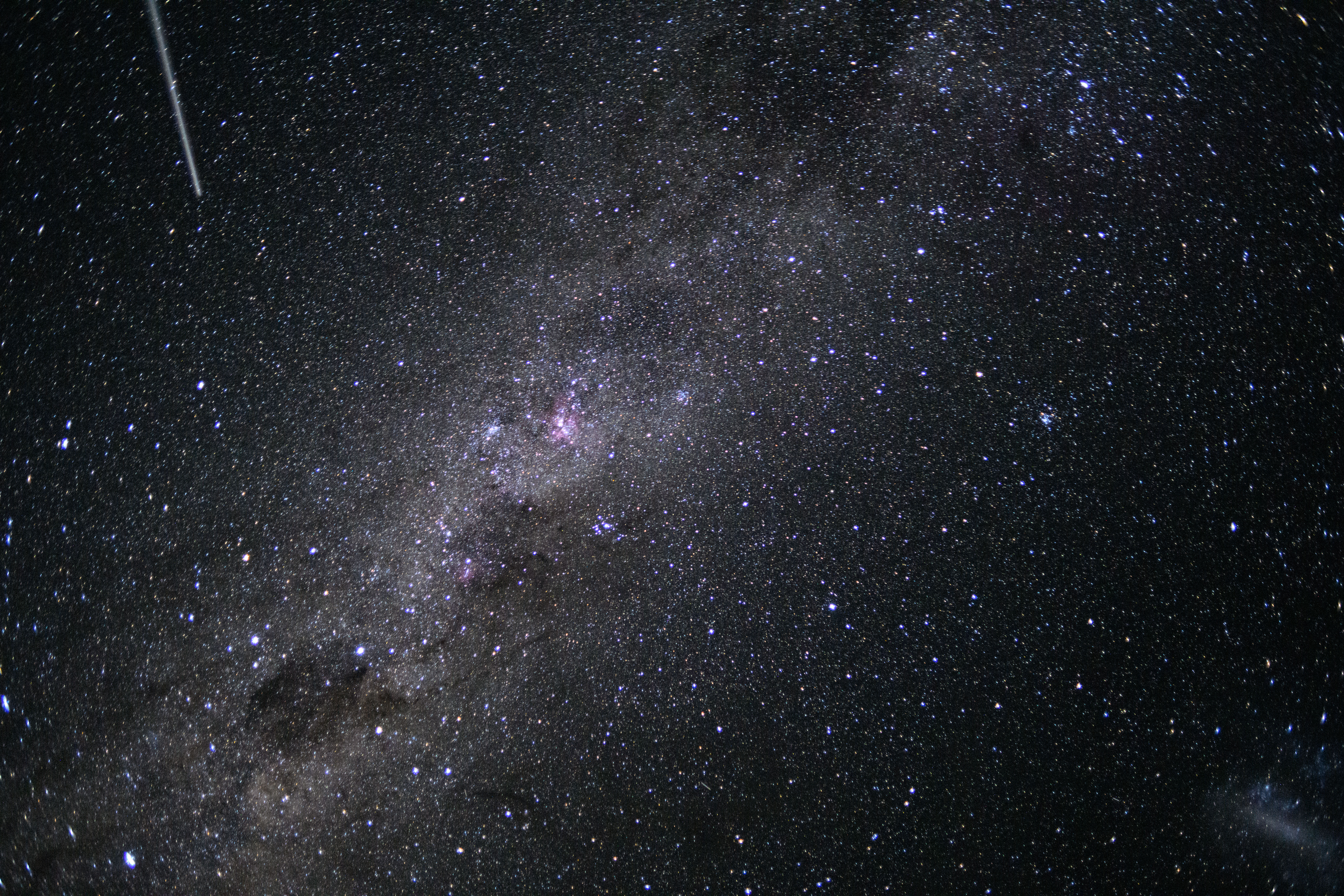
The Artemis II mission will be remembered not only for its record-breaking jaunt around the Moon, but also for the quantity and quality of incredible images taken of our planet, our natural satellite, the space between them, and the one beyond them – over 12,000 of which have just been released by NASA.
The rest of this article is behind a paywall. Please sign in or subscribe to access the full content.It has been incredible seeing just how many spectacular sights were captured by the crew among the important science work. People were surprised to see stars and the whole Milky Way in photos, but from the get go with "Night Marble" and "Hello, World", people could see other planets in the Solar System too.
The images from the mission were taken on different camera devices: the Nikon D5 SLR, the Nikon Z9 mirrorless cameras, and the iPhone 17. The latter was in the news recently after Reid Wiseman used it to capture a stunning "Earthset" video.
Many of the 12,217 images look similar or are out of focus or overexposed, but still, how incredible it is to have thousands of photos of this extraordinary journey. While even the worst one is precious, below are our favorites – find out how you can access the whole archive at the end.
How to access the Artemis II images
The process is a bit convoluted, but you do not need a computer science degree to get there. First, you need to go to the Getaway To Astronaut Photography Of Earth website – and yes, we know that most of these photos are of the Moon, but Artemis II is the first mission to go there in over 50 years, so forgive NASA for not have thought long-term about branding.
From there, go to the "Search Photos" tab and then scroll down to the bottom, where you'll find a section called "Search Using Other Methods". In the box, you can search with the NASA photo ID; the mission ID for Artemis II is ART002-E. Click the "Run Query" button, and the over 12,000 images taken by the crew during their 10 days around the Moon will appear!

 1
1