Space and Physics
 PUBLISHED





Artemis II has broken the distance record for humans into space, but it not a simple jaunt to see how far we can get. The mission is a test for future human exploration of the Moon, as well as several scientific investigations on both humans in space and celestial bodies. The big focus is the Moon itself, and in particular the far side, but in the closest approach that happened yesterday there were opportunities for science that were much farther afield.
The rest of this article is behind a paywall. Please sign in or subscribe to access the full content.A lot of the work took place during the closest approach, as the crew photographed and looked at the far side. They put forward names for two features on the Moon, one named Integrity after their Orion spacecraft, and the other named Carroll after Artemis II commander Reid Wiseman’s late wife.
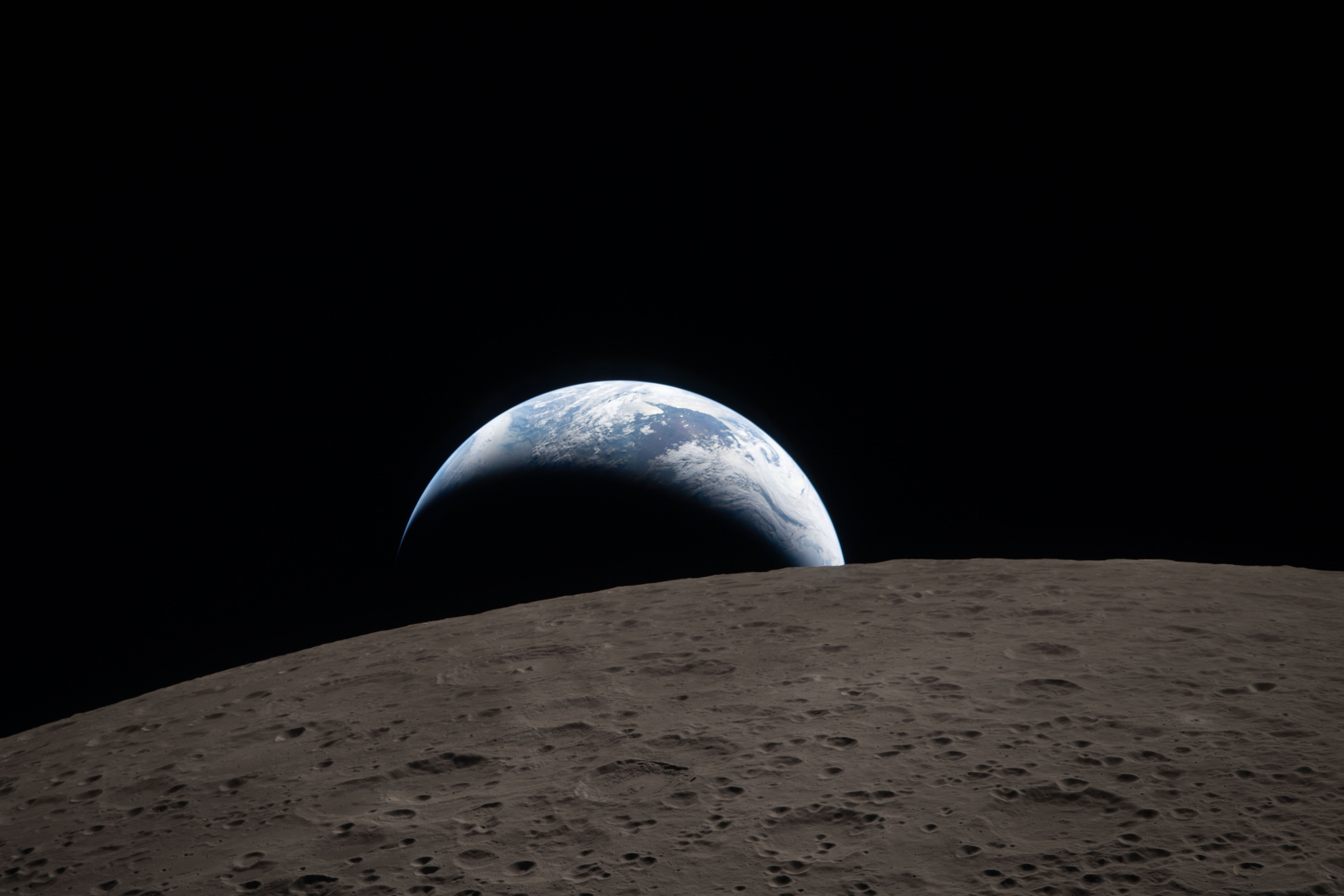
The flyby lasted about three hours and the astronauts got a look at impact craters and ancient lava flows. NASA missions like the Lunar Reconnaissance Orbiter and the Chinese Chang’e-4 and Chang’e-6, among others, have delivered insights into the far side, but the opportunity for humans to see the far side directly couldn’t be missed.
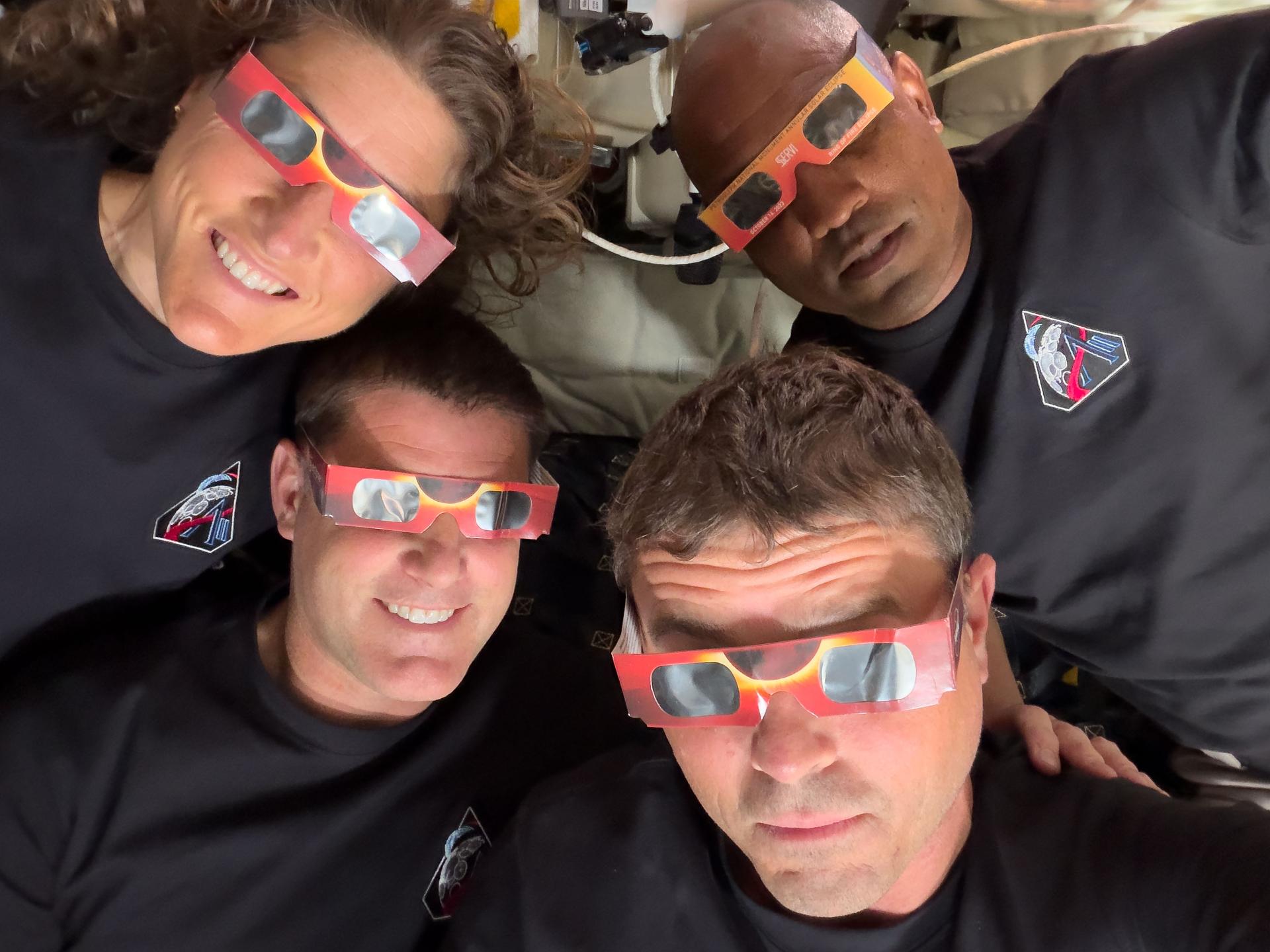
The crew – NASA’s astronauts Reid Wiseman, Victor Glover, and Christina Koch, and Canadian Space Agency astronaut Jeremy Hansen – received training in geology to identify important features that could relate to geological and volcanic activity on the Moon, to its impact history, and even reveal zones of interest for future missions.
“We were well prepared, and we appreciate all of you, and this is what we do best when we all come together and work as a team,” Wiseman said during the Artemis livestream. “So y’all knocked it out of the park. Thank you for giving us this opportunity.”
At ground control, Dr Kelsey Young, Artemis II lunar science lead at NASA’s Goddard Space Flight Center, sent this message back to the crew. “I can’t say enough how much science we’ve already learned and how much inspiration you’ve provided to our entire team, the lunar science community and the entire world with what you were able to bring today. You really brought the Moon closer for us today. And we cannot say thank you enough.”
Another important set of observations related both to the Moon’s geology and human future exploration on the surface is those of meteorite impacts. There are already surveys being conducted from the ground cataloguing these impacts. From Earth, you need to wait for the Moon’s near side to be in nighttime (or during a lunar eclipse), though we do see them. The Artemis II crew reported five impacts in a matter of minutes. Cameras were filming the Moon’s surface, so there might be more.
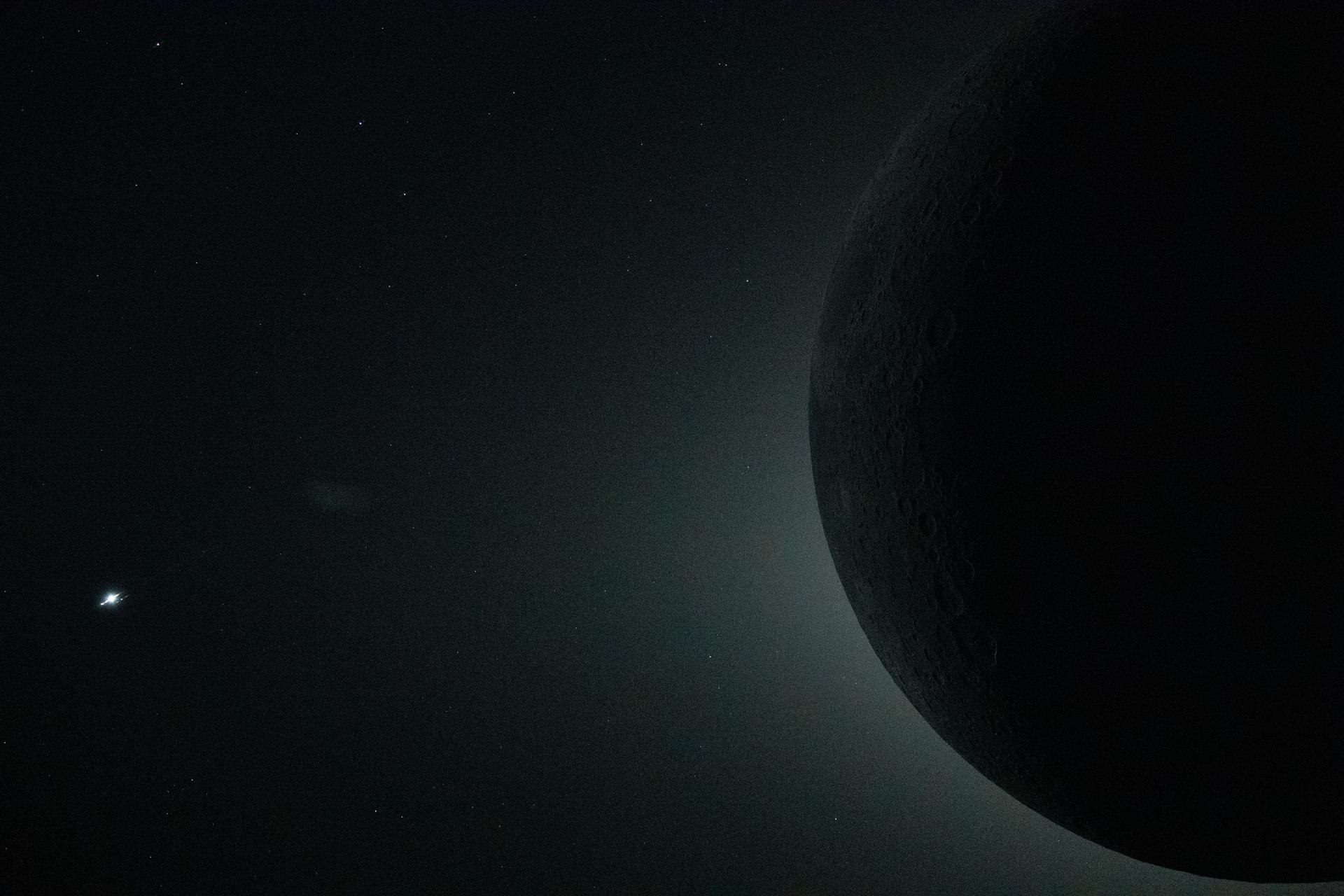
Last, but certainly not least, the four astronauts experienced a solar eclipse like no other. Far beyond the Moon, with a bit of the lunar nearside illuminated by Earthshine, the crew saw the wispy atmosphere of the Sun, the solar corona, as well as planets and stars. Due to their proximity to it, the Moon blocked the Sun in a way that guaranteed almost one hour of totality, something only possible on Earth via supersonic jet.
There are actual plans to have a spacecraft called MESOM follow the Moon to experience a monthly eclipse, in order to better study the mysterious solar corona.
The Artemis II crew is now on its way back to Earth where it will splash down on Friday, April 10. Still, the astronauts wanted to stress how the whole endeavor was a group effort from those at NASA now and those who paved the way for this mission to be possible.
“We would never be here if it weren’t for so many people that came before us – starting with Neil Armstrong, Katherine Johnson, civil rights movement leaders – everyone who worked on this spacecraft before we got here,” Koch said.
Plenty more science results will be on the way as the data and images are analyzed in the coming weeks and months.



 1
1