Technology
 PUBLISHED





On April 6, 2026, NASA's Orion spacecraft cruised around the Moon, armed to the teeth with vehicle management computers around 20,000 times faster than those used to achieve an even greater feat during the Apollo missions over 50 years ago. For a much-hyped mission like Artemis II, NASA's latest lunar venture, only the best technology will do. However, you don't always need the latest kit to get the job done.
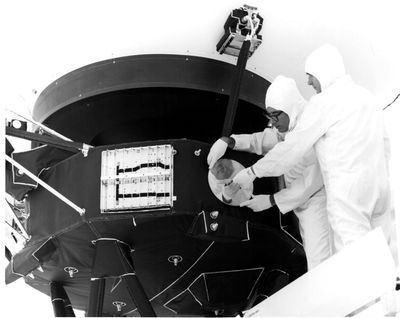
The rest of this article is behind a paywall. Please sign in or subscribe to access the full content.In 2012, Voyager 1 became the first human-made object to leave our Solar System and enter interstellar space, followed by Voyager 2 in 2018. There have been a few hiccups over the years, but the program is still transmitting back signals to Earth, continuing to document interstellar space over 24 billion kilometers (15 billion miles) away from its home planet.
This is especially mind-blowing when you consider that the probes were launched in 1977: the first Star Wars film was in US cinemas, Elvis Presley had eaten his last hamburger, and the Apple II was about to kick off the personal computer revolution.
In fact, the computers doing much of the work onboard Voyager 1 and 2 are technically the oldest known US government computers still in operation; no Microsoft Teams required.
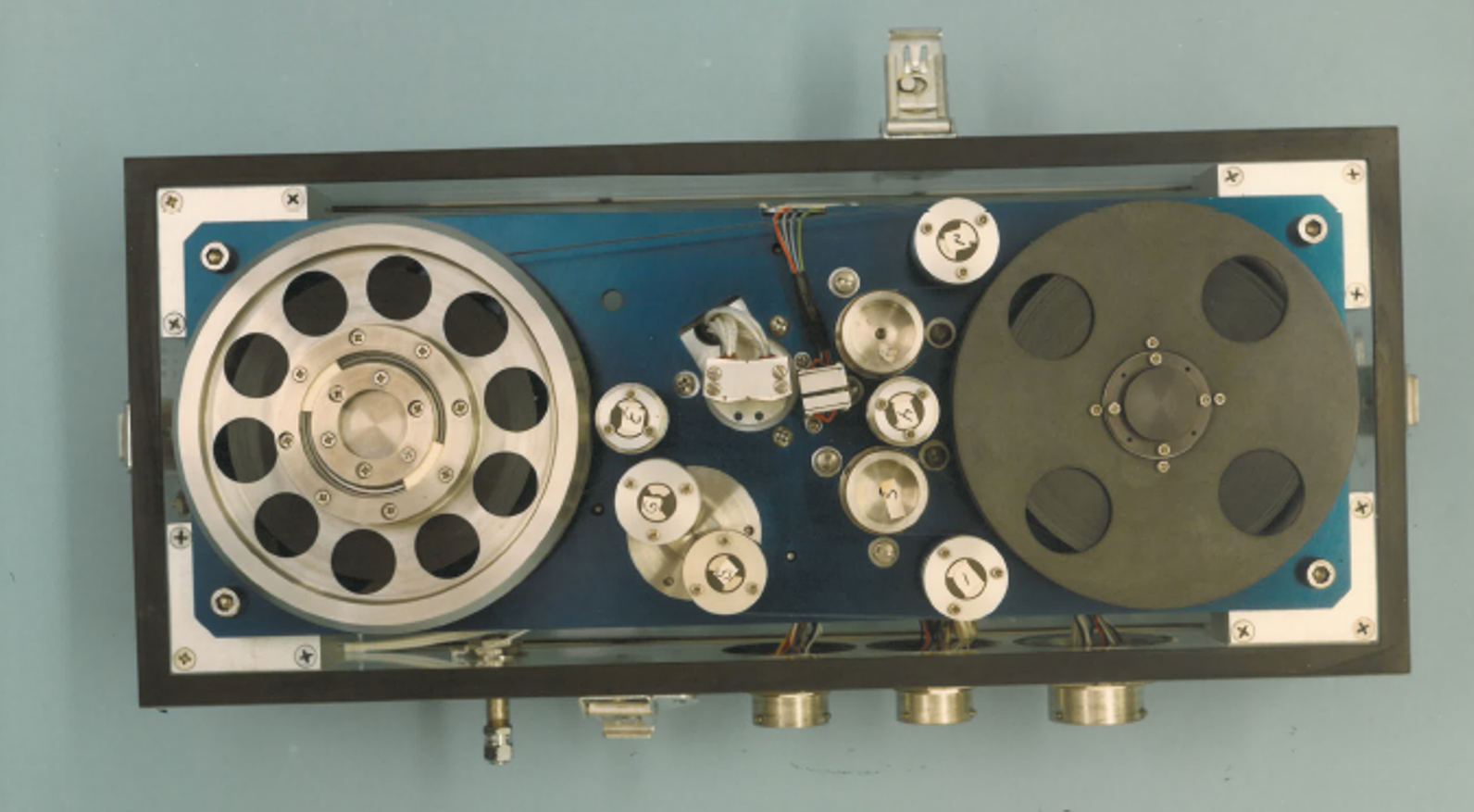
The probes each contain six computers in total, comprised of three different types of computer. This includes an 18-bit Computer Command System, the 16-bit Flight Data System, and the 18-bit Attitude and Articulation Control System. All three were custom-built by General Electric to NASA Jet Propulsion Laboratory specifications, and each craft got two of each computer as a backup, just in case anything went wrong.
According to an estimate by NASA, that’s a mere 68 kilobytes of computing power – less than the memory required to store an image on your smartphone today. For context, the average modern smartphone carries around 8 gigabytes of RAM, roughly 125,000 times more than both Voyagers combined.
But even these hardy computers do have a finite lifespan. The Voyager probes are powered by three radioisotope thermoelectric generators, essentially mini nuclear reactors that convert the heat produced by the natural radioactive decay of plutonium-238 into electricity. Along with providing loads of power, these generators require no sunlight and have no moving parts, making them ideal for deep-space missions. However, they are losing juice as the radioactive material inside decays.
To “save battery,” NASA has somewhat recently made the difficult decision to shut down certain instruments on the Voyager 2 spacecraft, such as its iconic plasma science instrument. Within the next few years — most likely in the early 2030s — the probes are expected to lose power entirely, left to drift silently into the endless abyss of space. These once-shining pinnacles of human ingenuity will, in effect, become space junk.
Although not quite. The Voyager duo also contain good-old-fashioned analog information in the form of the Golden Records – gold-plated copper disks containing images, greetings in 55 languages, and music from across the globe, designed as a message to any intelligent life that might one day find them. Even after their computers switch off, they will cruise through the Milky Way for billions of years, carrying a small piece of humanity into the unknown.