Nature
 PUBLISHED




This article first appeared in Issue 17 of our free digital magazine CURIOUS.
The rest of this article is behind a paywall. Please sign in or subscribe to access the full content.Ilulissat Icefjord – the sea mouth of the Sermeq Kujalleq glacier – is a UNESCO World Heritage Site that boasts some pretty impressive accolades. Located on the west coast of Greenland, it’s one of only a handful of glaciers that connects the Greenland ice sheet – a staggering dome in east-central Greenland that sits at over 3,000 meters (9,842 feet) above sea level – with the ocean.
It might not look like a track star, but Sermeq Kujalleq is the fastest glacier in the Northern Hemisphere and one of the most active in the world. According to the UNESCO World Heritage Convention, it calves over 35 cubic kilometers (8.4 cubic miles) of ice each year, producing 10 percent of Greenland’s total calf ice – contributing more than any other glacier outside of Antarctica.
Ice calving is when large chunks of ice are released from glaciers. When they calve into the sea, they eventually melt, contributing to sea level rise. This in turn releases fresh water into the ocean, altering its salinity, which can disrupt currents and influence global climate systems.
Subscribe to our newsletter and get every issue of CURIOUS delivered to your inbox free each month.
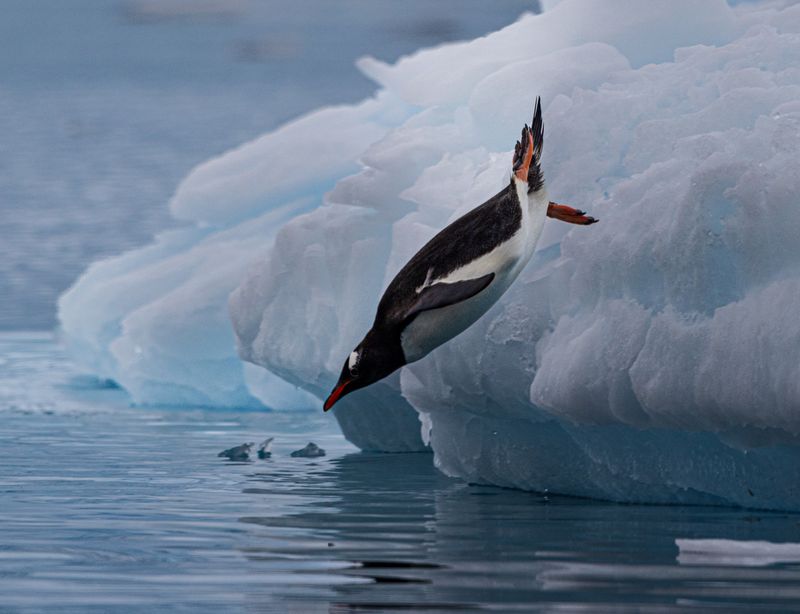
It’s not all bad, however, as ice calving also creates new habitats in the form of floating islands. Everything from walruses and seals to seabirds need these shelters, but as wildlife presenter Bertie Gregory’s Wildlife Photographer Of The Year 2023 entry demonstrates, even sitting on a giant ice cube isn’t enough to protect you from killer whales.
Scientists are keenly interested in ice calving due to the far-reaching consequences it can have for the health of wildlife and the planet, which makes calving glaciers like that found at Ilulissat Icefjord of great significance. And while they are complicated, they are also staggeringly beautiful.
The ever-changing nature of the fjord means you never quite know what you’re going to witness in terms of icebergs, but the nearby town of Ilulissat (which actually means iceberg) is a great starting point for your adventures.
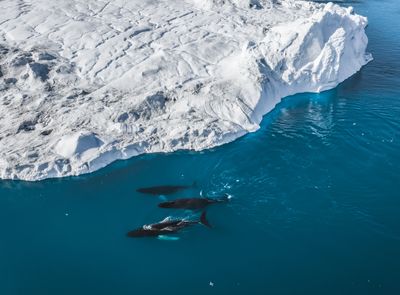
Ilulissat sits in the funkily named Disko Bay – or Disko Bugt, in Greenlandic – which is a hit with tourists and migrating whales alike. Humpback, minke, bowhead, pilot, and fin whales all regularly cruise through here, sometimes slipping through as dorsal fins just breaking the surface, or coming down with a slap as they breach.
Groovy, baby.
How to get there: You can get a direct flight to Ilulissat from Reykjavík, Iceland, during the summer, but in the winter you’ll need to travel via Kangerlussuaq or Nuuk, both Greenland.
CURIOUS magazine is a digital magazine from IFLScience featuring interviews, experts, deep dives, fun facts, news, book excerpts, and much more. Issue 20 is out now.