Nature
 PUBLISHED


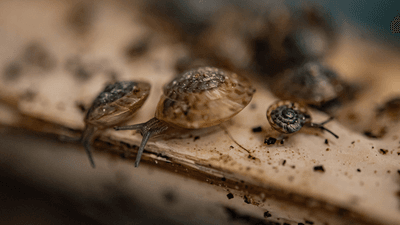


Chester Zoo, in the UK, has announced that it has received scientific confirmation that an “extinct” snail has been saved thanks to the efforts of an international team of conservationists. The Bermuda snail, Poecilozonites bermudensis, was bred in captivity with over 100,000 snails being released into the wild, and they’re now officially established in six areas of their native home.
The rest of this article is behind a paywall. Please sign in or subscribe to access the full content.Conservation success stories of this scale might not come around often, but it just goes to show that efforts to reverse biodiversity loss do work. What better news on February 7, AKA the IUCN’s Reverse the Red Day, marking the global movement to undo biodiversity loss.
We hand-picked the best areas to release the snails.
Katie Kelton
The Bermuda snail was thought to have been lost forever not long ago. Then, a small glimmer of hope appeared in the most unexpected of places: an alley, near an air conditioning unit.
Here, a tiny population of these incredible rare snails was clinging on to existence, feeding off the machine's water drops. A glittering example of life’s ability to endure, but if the snails were going to bounce back from their near-extinction, they were going to need a little help.
The Bermuda government teamed up with Chester Zoo, gifting their scientists and keepers several snails to see if a population could be bred off-site before being released into the wild. The snails were bred in specially designed pods, and then – in tandem with nature regeneration projects carried out by the Bermuda government – it was time to prepare for their return.
The snails were screened for parasites and nematodes to ensure they weren't carrying any unwanted baggage. They were also fattened up to ensure they were fighting fit by the time they were released into several reintroduction sites across Bermuda.
We also needed to make sure that the rosy wolf snail wasn't in the area.
Katie Kelton
Each snail was also given the parting gift of a marking indicator so that scientists could continue to monitor them. All good so far, but then there was the issue of the Bermuda snail’s greatest foe: the rosy wolf snail.
“We hand-picked the best areas to release the snails – areas with the best cover and vegetation and the most hiding spaces that the snails could go into,” said ectotherm keeper at Chester Zoo Katie Kelton to IFLScience. “But we also needed to make sure that the rosy wolf snail wasn't in the area. That's been one of the biggest problems that the Bermuda snail has been facing, as the rosy wolf snail will predate and eat them.”
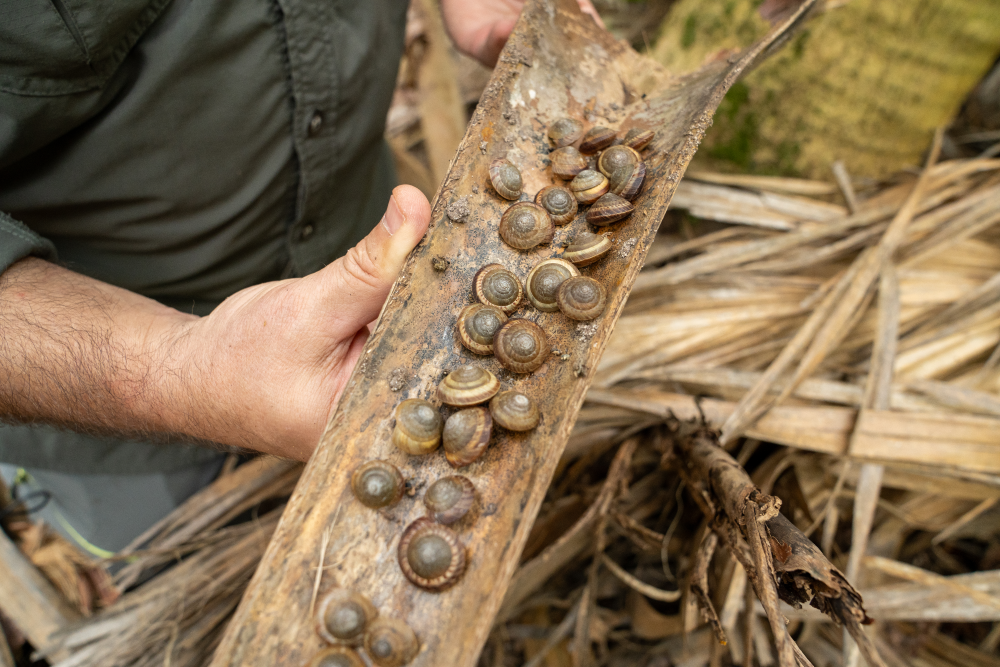
The prep, it seems, has paid off, as the snails are now firmly established in six areas. They weren’t the only sites chosen for the reintroductions, but it’s shown where they are able to thrive.
It marks an incredible moment as it’s not often we get to say that a species has been saved from extinction. A rare, tangible example that proves efforts to reverse biodiversity loss can work, and the power of international collaboration.
“It’s every conservationist’s dream to help save a whole species – and that’s exactly what we’ve done,” said Tamas Papp, Invertebrates Assistant Team Manager at Chester Zoo, in a release emailed to IFLScience. “The greater Bermuda snail is tiny, but this is one of the biggest success stories in conservation.”
“This scientific confirmation that we’ve saved them is testament to the role zoos can play in preventing extinction, and in the power of collaboration, and is something everyone involved will carry in their heart.”
A successful mission to save a tiny snail, but the mission to save an absolutely massive one continues.