Nature
 PUBLISHED
 1
1


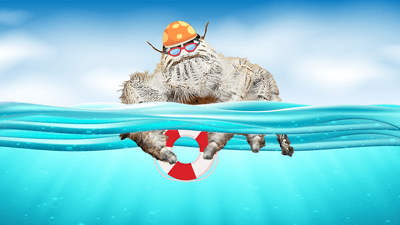


Spiders are well known for their climbing and scuttling abilities. Having eight legs, after all, means that you can cover the ground pretty quickly when need be, though some species can even move quite well without the full set of limbs. But can spiders swim? We break down the most popular survival strategies for keeping your arachnid afloat.
The rest of this article is behind a paywall. Please sign in or subscribe to access the full content.One technique that we can’t technically count as swimming is to run along the surface of the water. Most spiders are pretty light and are able to use the surface tension to their advantage.
In fact, fishing spiders hunt this way, scuttling across the surface to snatch their prey. Dolomedes spiders use vibrations across the water detected by their hairs to hunt prey; they then use these water-repellent hairs to skate across the water and snatch their dinner. Impressive, but not really swimming.
Another impressive species is Desis marina, known as the intertidal spider and found in New Zealand and New Caledonia. These guys can can survive for up to 19 days submerged on sea kelp. To do this they hide out in the holdfasts of bull kelp, which contain enough oxygen to keep the spiders happy until the tide recedes. While this again is a useful survival strategy, the spiders are really just climbing down the bull kelp, and not actively swimming.
But the diving bell spider, Argyroneta aquatica, is doing everything – and we do mean everything – underwater.
What is even more impressive about them is that these spiders are doing all of their activities without the ability to breathe underwater. These aquatic arachnids live, hunt, and even make more little spiders under the water, and they do so with the help of some nifty air bubbles.
The spider uses the hairs on its body to trap bubbles of oxygen. It can even carry a small air bubble on its back like a scuba tank. It then stores these air bubbles in a specially spun web strung between underwater plants, the perfect watery home. And to top it all off, not only can they swim, they can even dive. Tom Daley had better watch out.