Nature
 PUBLISHED


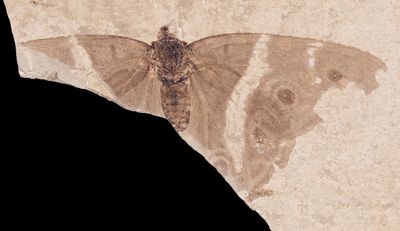


With their fabulous but flimsy wings, butterflies don't tend to fare well in the fossilization process, leaving much of their evolutionary history in the shadows. So you can imagine the surprise when this specimen was unearthed in the south of France, revealing a whole new genus of prehistoric proboscis-equipped forebear.
The rest of this article is behind a paywall. Please sign in or subscribe to access the full content.The incredibly well-preserved fossil was first recovered in 1979 from early Oligocene deposits near Céreste, a region famed for its rich fossil beds. Though it sat largely unappreciated for decades, the specimen has recently been studied by an international team of scientists from the US, Sweden, and Germany, who applied modern analytical techniques to reveal details that were previously missed.
“This discovery highlights the importance of protected fossil deposits and the enduring value of museum collections and historical discoveries, which are often only recognized decades later and provide important scientific findings through new analyses”, Professor Dr Torsten Wappler, study author from the Hessian State Museum Darmstadt, said in a statement.
This fresh look revealed that the beautiful specimen was a new genus and the newly described species, called Apaturoides monikae, which fluttered through prehistoric forests between 34 and 28 million years ago.
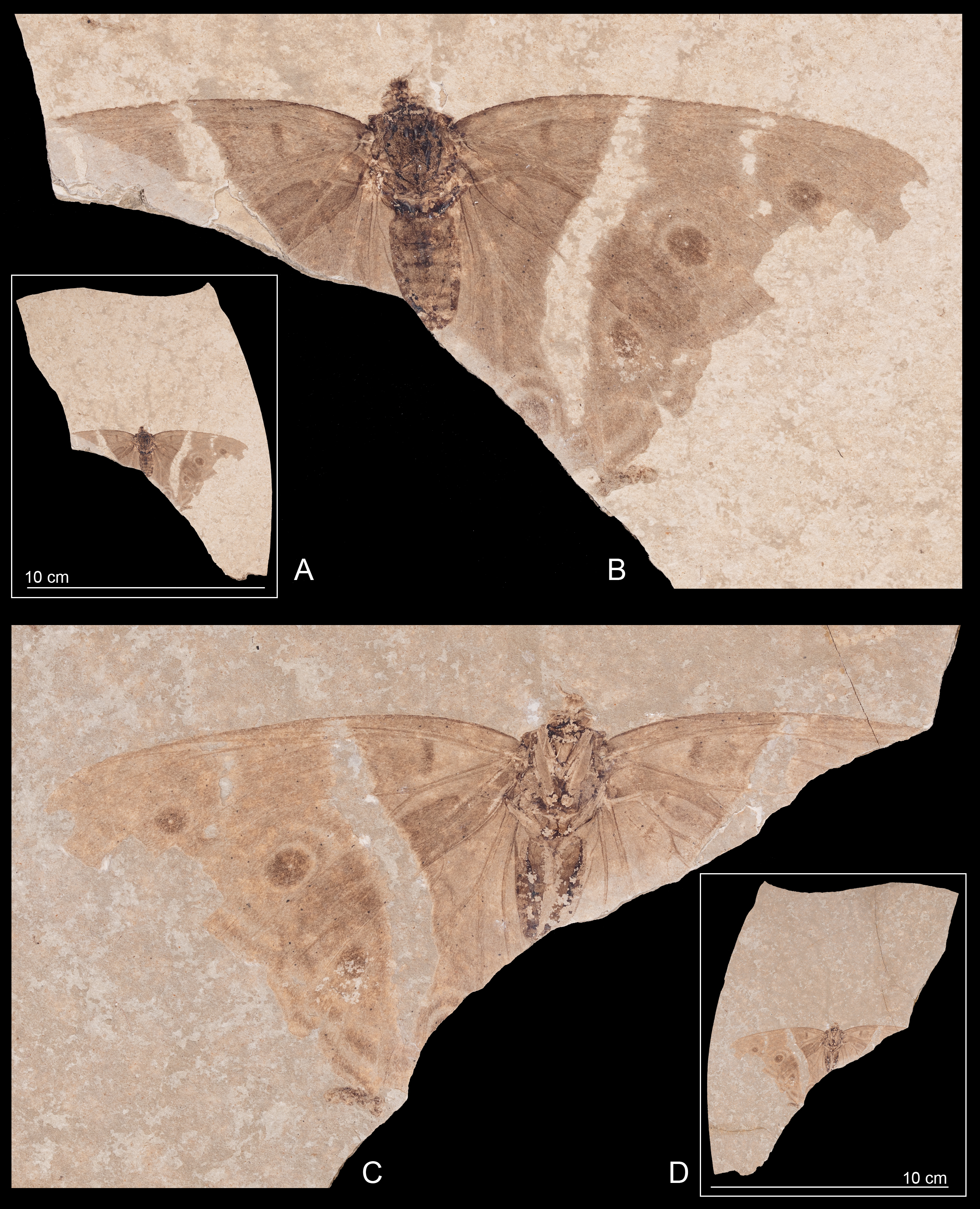
"In the fossil of Apaturoides monikae from Céreste, most of the right wing and large parts of the left wing are preserved with complete wing venation and clearly recognizable wing patterns, including eye spots. The head and thorax are visible from both sides, and a large part of the abdomen has also been preserved. These exceptional features allow for precise classification in the butterfly family tree", explained Hossein Rajaei, lead author of the study and chief entomologist at the State Museum of Natural History Stuttgart in Germany.
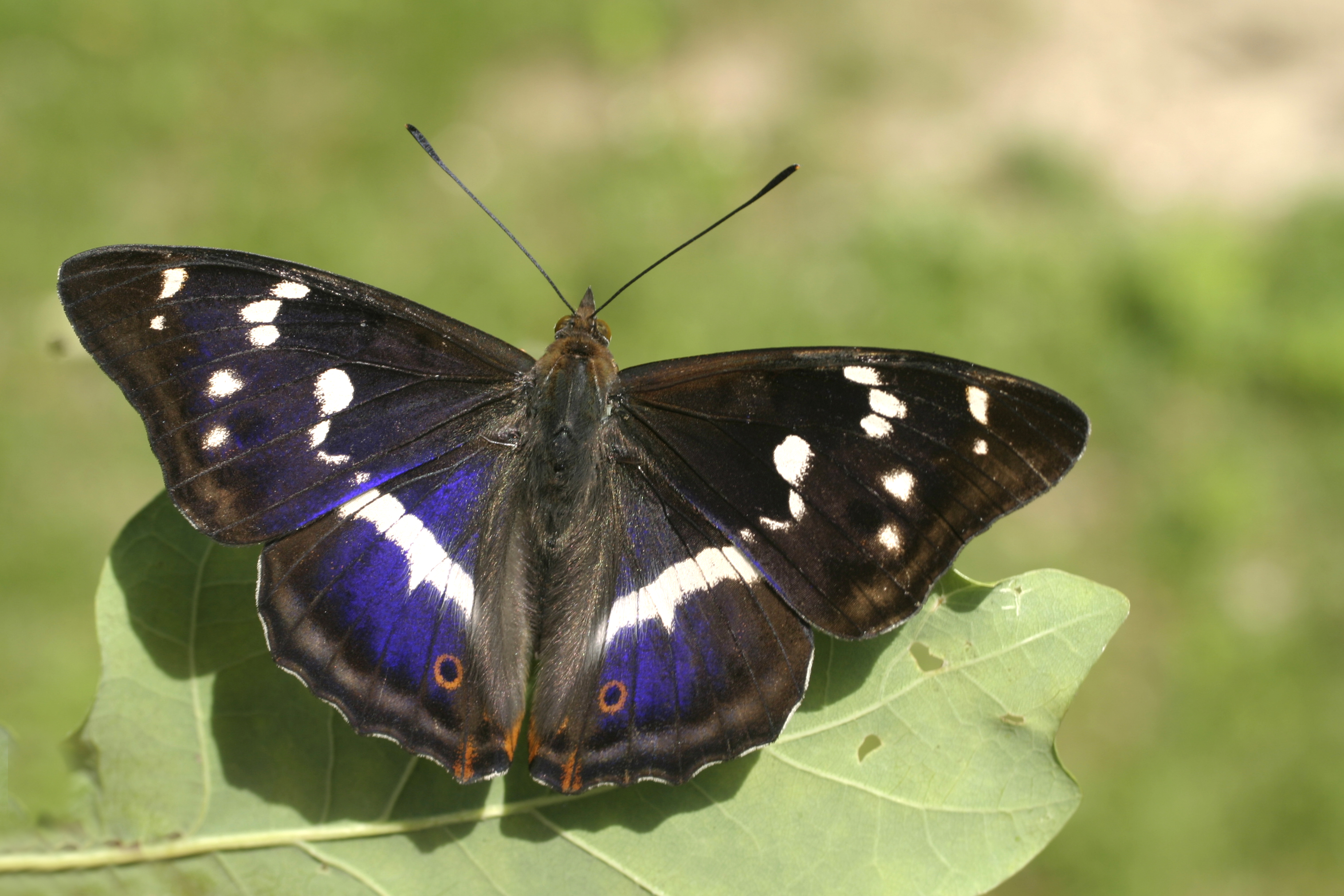
The researchers say this is also the first fossil that can be defined as belonging to the subfamily Apaturinae, commonly known as emperors. As such, they believe the fossil could challenge existing timelines of how and when these colorful fellas first emerged.
“This fossil find suggests that the Apatura lineage is either older than molecular analyses suggest, or that today's Apatura species have preserved characteristics of their ancestors over long periods of time. In any case, the find provides an important empirical basis for better understanding when and how the most important butterfly groups evolved and diversified,” added Rajaei.
While the early evolution of butterflies is murky, some recent discoveries are beginning to lift the fog. A 2025 study analyzed coprolites (fancy word for fossil poop) and found the remnants of hexapod scales that once belonged to a butterfly, indicating that proboscises existed as far back as 260 to 244 million years ago. This is especially surprising as it pushes back the emergence of this group by around 35 million years, and surprisingly shows their long feeding snoots actually predate flowers.
The study is published in the journal Acta Palaeontologica Polonica.