Nature
 PUBLISHED


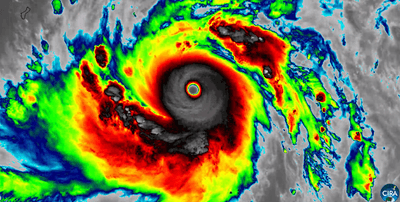


Super Typhoon Sinlaku, the most powerful storm on the planet so far in 2026, has arrived.
The rest of this article is behind a paywall. Please sign in or subscribe to access the full content.The storm came from humble beginnings as a cluster of smaller disturbances before consolidating over the Western Pacific and intensifying into a typhoon on April 9, rolling northwestward across the ocean.
As of April 13, 06:45 UTC, Super Typhoon Sinlaku is currently ripping through the Northwestern Pacific Ocean with “violent” wind gusts of up to 85 meters per second (190 miles per hour), according to the Japan Meteorological Authority.
Over the coming days, it's set to carve over the US territory of the Northern Mariana Islands. Wind speeds are expected to ease slightly before landfall, but the islands will still face fierce winds, torrential rainfall, and dangerous ocean swells.
Guam is unlikely to be in the direct path of the storm, though residents are being warned to brace for its fallout, including heavy rain and floods. The storm route will continue to travel upwards through the rest of the Mariana Islands, weakening as it goes.
“Sinlaku is expected to gradually weaken the next few days, but is still expected to cross the Marianas as a category 4 or 5 typhoon,” the US National Weather Service (NWS) said in a statement on Monday, April 13.
“For those under a Warning in the Marianas, the window of time to complete preparations for the protection of life and property is very soon to close. Evacuate if directed to do so by local officials, or if your home is vulnerable to high winds or flooding,” it added.
Sinlaku is travelling down the so-called “Typhoon Alley”, part of the Western Pacific Basin that produces some of the most powerful storms on the planet. The region is an ideal setting for tropical cyclones, as it hosts the warmest open-ocean waters on Earth, providing the heat and moisture that fuel storm development. The basin is also exceptionally wide, giving storms room to strengthen over thousands of miles of open water before making landfall on the ocean’s coastlines and scattering of islands.
Meanwhile, south of the equator, another major storm has been making its own destructive path. Last week, Tropical Cyclone Maila gathered strength over the Solomon Sea, the stretch of water nestled between Papua New Guinea and the Solomon Islands, which is unusually close to the equator for a storm of its intensity. Over the past weekend, it made landfall in Papua New Guinea with deadly effects. At least 11 people have reportedly been killed, including eight in a landslide and two struck by falling trees.
Back in the northern Pacific, all eyes remain on Sinlaku. The severity of its impact is yet to be seen, but authorities warn this seething storm carries a potential threat to life across the Marianas.
“Stay indoors during heavy rain and windy conditions associated with Super Typhoon Sinlaku. The onset of damaging, and potentially destructive winds, will pose a deadly threat to those venturing outside,” the NWS added.