Nature
 PUBLISHED
 7
7



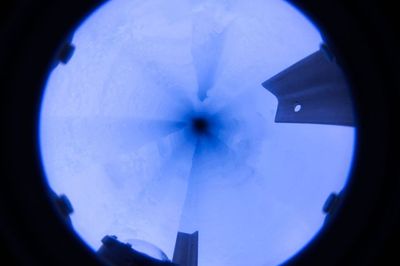


Scientists have just got their hands on a 228-metre (748-foot) core sample from the muddy bedrock beneath West Antarctica’s chunky ice sheets. Inside the record-breaking sample, they discovered fossils of marine organisms that date from a time when this area was an open, ice-free ocean.
The rest of this article is behind a paywall. Please sign in or subscribe to access the full content.Obtaining this sample was no easy feat. The polar researchers started by traveling some 700 kilometres (434 miles) from the nearest Antarctic stations to a drill site on the Crary Ice Rise, on the edge of the West Antarctic Ice Sheet.
Using a hot-water drill, they burrowed 523 meters (1,715 feet) into the ice until they reached the bedrock beneath. Working in shifts, the team then drilled a further 228 meters (748 feet) into the ground and extracted a record-breaking sediment core sample, composed of layers of mud and rock.
“To our knowledge, the longest sediment cores previously drilled under an ice sheet are less than ten metres. We exceeded our target of 200 metres. This is Antarctic frontier science,” Molly Patterson, Co-Chief Scientist of the project and Professor of Geology at Binghamton University, said in a statement.
The feat was part of SWAIS2C, an international project that aims to get geological records from the sediment deep below the Ross Ice Shelf to determine how much the West Antarctic Ice Sheet has melted in recent history. The core sample is part of this puzzle as it provides direct evidence of how the ice-sheet margin reacted during earlier warm intervals.
“This record will give us critical insights about how the West Antarctic Ice Sheet and Ross Ice Shelf is likely to respond to temperatures above 2°C. Initial indications are that the layers of sediment in the core span the past 23 million years, including time periods when Earth’s global average temperatures were significantly higher than 2°C above pre-industrial,” added Huw Horgan, co-chief scientist of SWAIS2C and associate professor at the Victoria University of Wellington in New Zealand.
The core sample contained fragments of shelled animals and fossils of marine organisms, which may seem unusual since the drill site is currently far away from the Southern Ocean that surrounds Antarctica. However, the researchers explain that these creatures date to warmer periods when the region was partly or entirely ice-free.
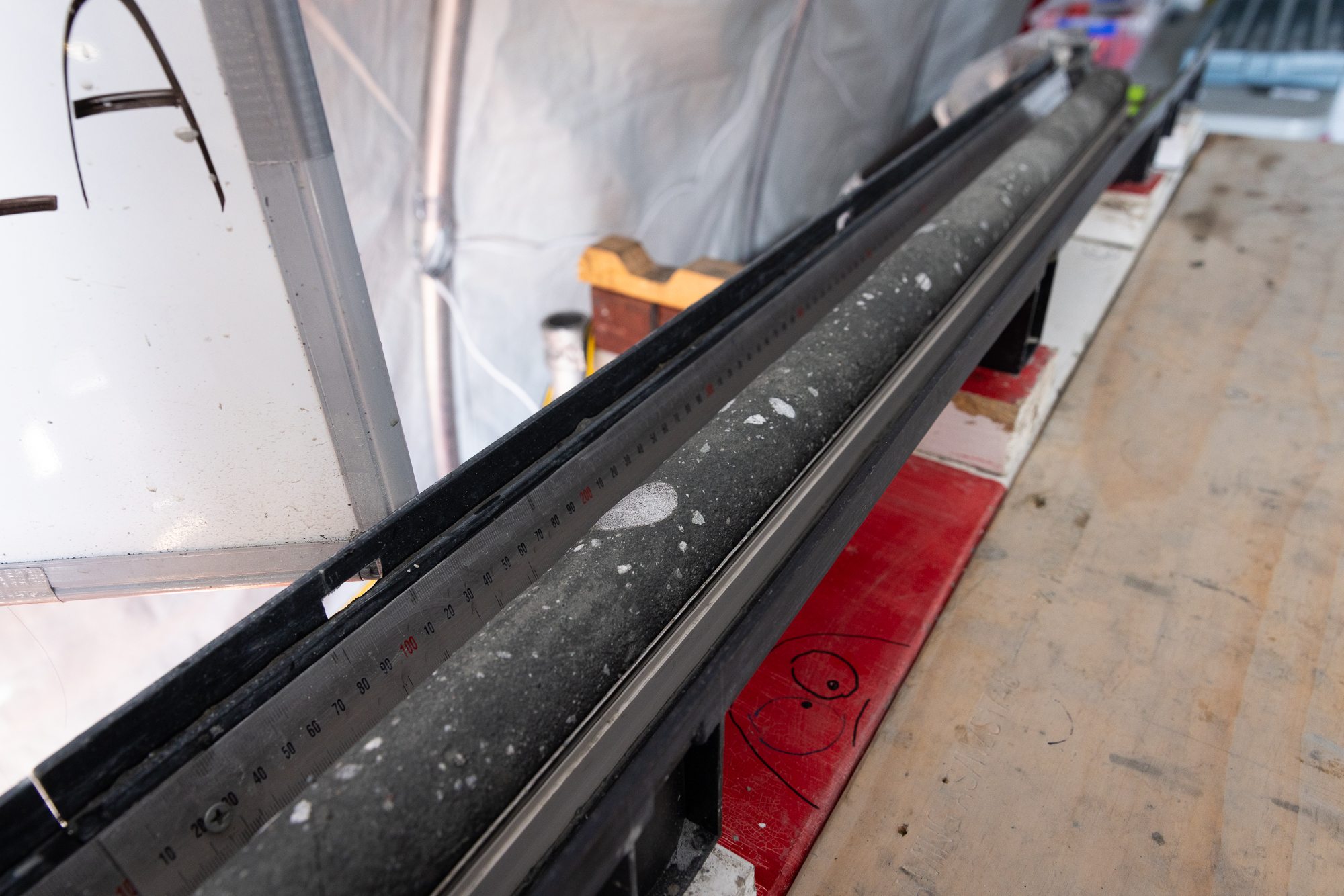
“We saw a lot of variability. Some of the sediment was typical of deposits that occur under an ice sheet like we have at Crary Ice Rise today. But we also saw material that’s more typical of an open ocean, an ice shelf floating over ocean, or an ice-shelf margin with icebergs calving off,” explained Patterson.
The researchers are now working to verify their findings, but in the long run, they aim to gain more samples from the region and use the information to predict how Antarctica will change with rising temperatures and ice loss.
“Our multi-disciplinary international team is already collaborating to unravel the climate secrets hidden in the core. With our drilling system having been put to the test under these tough Antarctic conditions and passing with flying colours, we’re looking ahead to plan future drilling to continue our mission to learn more about the sensitivity of the West Antarctic Ice Sheet to global warming,” said Horgan.