Humans
 PUBLISHED


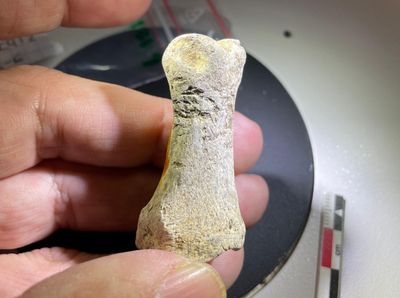


The more we learn about Neanderthals, the more we realize that they were just like us. For instance, until fairly recently, it was believed that only Homo sapiens had the intelligence to make tools from animal bones, yet the discovery of more than 60 osseous utensils at a Neanderthal site in France has helped to crush that assumption.
The rest of this article is behind a paywall. Please sign in or subscribe to access the full content.Known as the Abri Suard rock shelter, this prehistoric site adds to the growing list of Neanderthal strongholds bearing bone tools. In Belgium, for example, archaeologists recently discovered a kind of “Swiss Army knife” made by this archaic hominin from the bones of cave lions.
At Abri Suard, however, researchers found a totally different type of bone technology, highlighting the cognitive flexibility of Neanderthals by revealing just how varied their tools were. Describing the assemblage in a new study, archaeologists explain that at least 62 “retouchers” and three “soft hammers” have been identified so far.
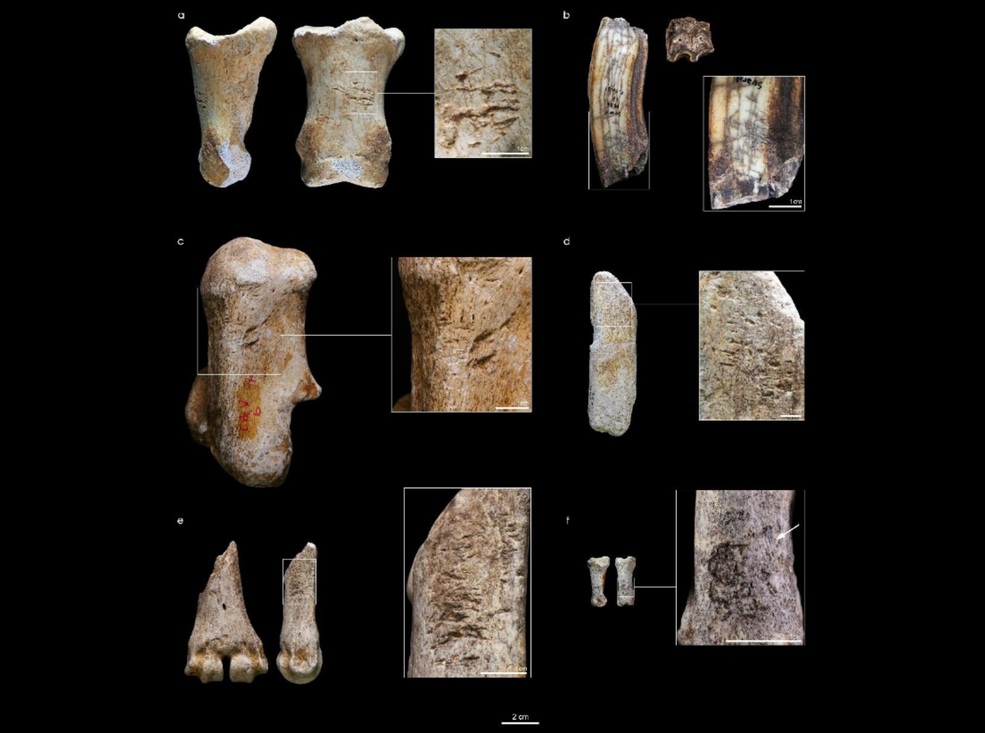
Both types of tool were used by Neanderthals to facilitate the creation of lithic blades. Specifically, retouchers were utilized to refine and sharpen the edges of stone cutting implements, while soft hammers were used to extract flakes from flint cores.
The majority of these items were fashioned from the long bones of horses and reindeer, although a few tools stand out for their uniqueness in the archaeological record. Soft hammers made from rhinoceros bones, for instance, are almost unheard of in European Palaeolithic contexts, while a retoucher produced from a horse molar may represent the earliest known example of such a tool.
Regarding the rhino bone tools, the study authors explain that the presence of these items at Abri Suard “likely reflects practical exploitation of available faunal resources,” indicating that Neanderthals were able to adapt to the opportunities presented to them in different habitats.
The exact age of these relics is difficult to ascertain, although radiocarbon dating of the sediment layers from which they were retrieved suggests that they may be between 160,000 and 200,000 years old. Previous discoveries of horse-tooth retouchers are all younger than this, and are thought to have been particularly effective due to their hardness and density.
The equine molar at Abri Suard was confirmed as a retoucher following an analysis of the use-wear patterns on its surface, which displays the typical hatching, pits, and striations that this type of activity tends to leave on osseous materials. Many of the long bones, meanwhile, show signs of butchery and marrow extraction, indicating that the animals may have been hunted for food before their bones were then recycled as tools.
Overall, the researchers say these discoveries point towards “an intensive, diversified, and technically adapted exploitation of the available faunal resources” by the Neanderthals of Abri Suard.
The study is published in the Journal of Paleolithic Archaeology.