Nature
 PUBLISHED





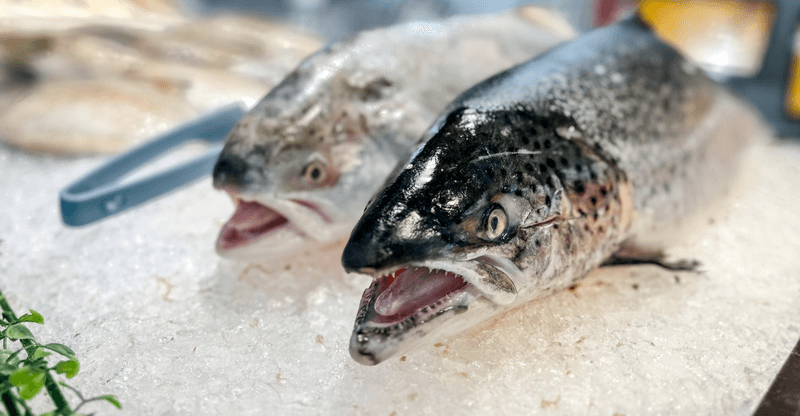
Freshwater fish are now the most imperilled vertebrates on the planet, with migratory species being particularly vulnerable as numbers rapidly collapse, according to a new report from the UN’s Convention on the Conservation of Migratory Species of Wild Animals (CMS). The decline in these species is largely due to human activity, including overfishing, dam construction, and pollution, which prevents them from reaching their breeding grounds.
The rest of this article is behind a paywall. Please sign in or subscribe to access the full content.When it comes to conservation efforts, there is a widespread and disproportionate bias towards the protection of charismatic species. These are animals that people deem more “cute” or impressive (think pandas or tigers), or even more human-like in appearance or behavior. But this bias means that less funding, research, and protection is extended to species that do not fall within this perspective. Migratory freshwater fish, such as salmon, sturgeon, the European eel, the Mekong giant catfish, and the Amazonian Dorado catfish are among them.
Although freshwater fish are a vital factor for global food security, being the primary source of protein for over 200 million people across the world, these incredibly diverse migratory fish are faced by considerable growing threats.
In 2011, the CMS examined the status of this group but limited their gaze to around 3,000 species. Since then, the International Union for Conservation of Nature’s (IUCN) Red List, an inventory of the global conservation status and extinction risk for animal species, has expanded its own assessment to nearly 15,000 species, allowing for far great insights into their status and current trends.
This latest CMS report represents an update to the 2011 review using this work. The report identified 325 species as priorities, many of which could be added to the list under the convention for protection. Being added to the list does not, however, automatically save these species; it simply provides a mechanism to coordinate conservation, monitoring and management across country borders.
According to this review, the candidate species for listing are predominantly in Asia (around 205 species), as well as South America (55 species), Europe (50 species), North America (32 species), and Oceania (6 species). River basins that are in need of urgent international cooperation include the Amazon and La Plata-Paraná in South America, the Danube in Europe, the Nile in Africa, the Ganges-Brahmaputra in South Asia, and the Mekong in Asia.
So why is this happening? Migratory fish living in long stretches of interconnecting rivers and bodies of water that often cross the boundaries of multiple countries. This makes them vulnerable to any obstructions – such as dams or habitat fragmentation – that may impact these rivers, as well as pollution or overfishing. If a river is cut off along a route, it becomes impossible for these fish to reach their breeding grounds and so their populations collapse.
Current efforts to support these fish are typically limited to local interventions and initiatives, which do not extend across country lines. Fish do not abide by political boundaries, so they can easily cross from one protected area into a country with no protections.
This is why international agreement is needed, with the CMS being the only global treaty that is specifically aimed at encouraging countries to cooperate on migratory species conservation.
In order to protect and restore migratory populations, rivers need to be kept healthy and (re)connected where fragmentation by dams, small culverts, or weirs (especially in Europe) has occurred. Habitat restoration is also critical.
“There are examples of success. In Washington state, dam removals on the Elwha and White Salmon rivers reopened habitat that had been inaccessible for migrating fish for about a century, allowing Chinook, coho, steelhead and lamprey to return,” Zeb Hogan, co-author of the report and professor of Biology at the University of Nevada, Reno, explained in a Conversation article.
“The world’s great fish migrations have not disappeared everywhere, but they are fading. This new assessment offers a clearer picture of where international cooperation is most urgently needed. It is up to humanity to protect these extraordinary aquatic animals, which support millions of people enrich their lives, and make the world a more wondrous place.”
The full report can be accessed here.