Health and Medicine
 PUBLISHED



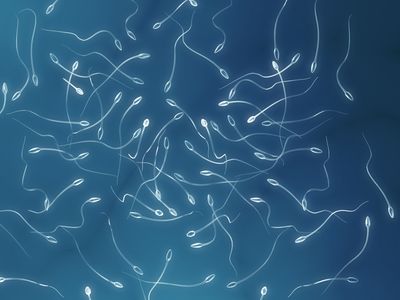


New research suggests that men who regularly ejaculate produce higher quality sperm with less DNA damage. The results indicate that sperm deteriorates the longer it remains in the body, reducing its performance and making it less viable.
The rest of this article is behind a paywall. Please sign in or subscribe to access the full content.This result wasn't limited to humans alone. In a major cross-species analysis, the researchers found that this pattern is shared across many animals, including insects and birds. Stored sperm – whether it was being stored in males or, as is the case for some species, in females – consistently deteriorated across time, lowering fertilization success and even embryo quality.
In order to reach this verdict, the team conducted a meta-analysis of 115 human studies – which involved 54,889 men – and 56 studies of 30 animal species. The results in humans show that the longer a man abstained from ejaculating, the more DNA damage and oxidative stress the sperm showed, along with reduced motility (its ability to move independently).
"Because sperm are highly mobile and have minimal cytoplasm, they quickly exhaust their stored energy reserves and have limited capacity for repair. This makes storage particularly damaging compared to other types of cells," said Dr Rebecca Dean at the University of Oxford in a statement. "Our study highlights how regular ejaculation can provide a small but meaningful boost to male fertility.”
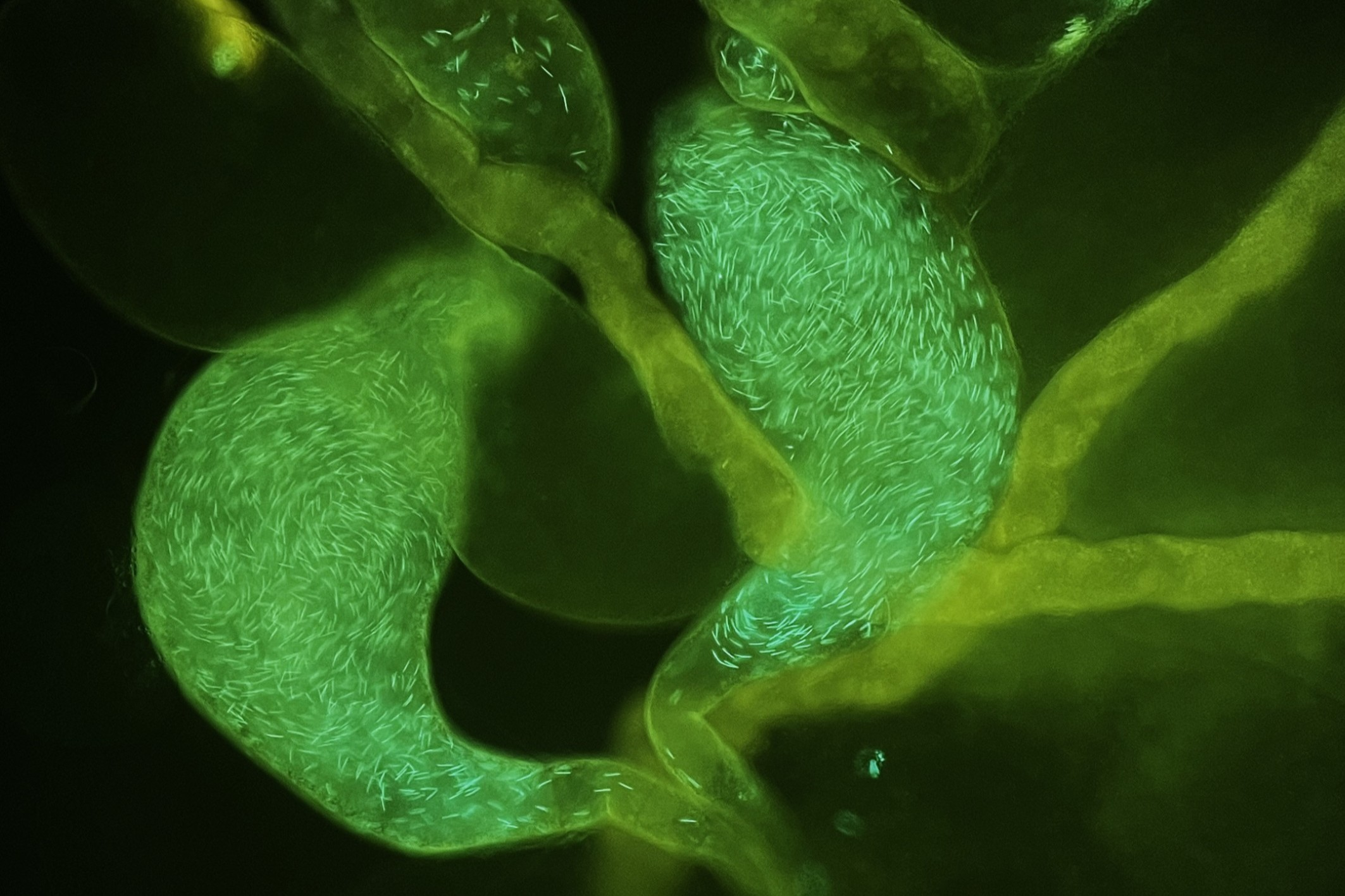
Within the animal kingdom, both males and females can store sperm as part of their reproductive strategy. For instance, in some species of bats, salamanders, and frogs, males can store mature sperm for many months while they hibernate. In contrast, the queens of insects like wasps, bees, and ants, and some female reptiles, can store sperm for multiple years before using it.
This storage has specific benefits for both sexes. For males, it ensures there is enough sperm present for mating, while, for females, it means they can reproduce even when males are scarce. However, this new research shows there is a significant difference in the rate of sperm deterioration in males when compared with females. At least in the species examined, females are better than males at preserving sperm quality for longer periods of time.

“This likely reflects the evolution of female-specific adaptations, such as specialised storage organs that provide antioxidants to extend sperm viability,” said Dr Irem Sepil, also at the University of Oxford.
“These organs often secrete reproductive fluids to nourish sperm and could provide unexplored avenues for biomimicking technology to improve artificial sperm storage in the future.”
These results have significant implications for our understanding of fertility research and clinical practice. The fact that sperm can age in both sexes independently of the organism’s age had mostly been overlooked in reproductive medicine.
The findings challenge existing World Health Organization (WHO) guidelines that recommend men should abstain from ejaculating for two to seven days before providing sperm for fertility testing or IVF treatment. These guidelines are designed to ensure higher sperm count, rather than the best quality sperm.
However, this new research aligns with more recent work that shows that ejaculating within 48 hours of providing a sample can significantly boost IVF outcomes.
The study’s cross-species analysis also has benefits for conservation efforts. By eliminating the barriers between biomedical and zoological research, the study offers insights that could be used for captive breeding programs aimed at endangered species, alongside enhancing our understanding of how species have evolved to reduce sperm damage while it is stored.
The paper is published in Proceedings of the Royal Society B.


 1
1