Ad

technologyCulture and Societytechnologyculture
clock-iconPUBLISHEDJuly 31, 2025
share10

IFLScience The Big Questions: How Has The Internet Changed The Way We Use Language?

Tell the group chat BRB, and listen to find out.

Tom Hale headshot

Tom Hale

Tom has a Master's degree in Journalism. His editorial work covers anything from archaeology and the environment to technology and culture.

Senior Journalist

Tom has a Master's degree in Journalism. His editorial work covers anything from archaeology and the environment to technology and culture.View full profile

Tom has a Master's degree in Journalism. His editorial work covers anything from archaeology and the environment to technology and culture.

View full profile
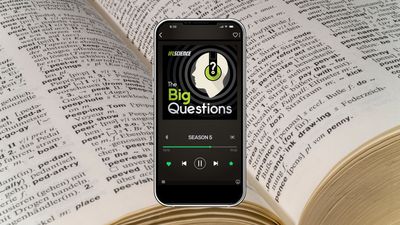
A phone showing season 5 of The Big Questions, on background of a close up photograph of an open dictionary

Slang terms popularized by the Internet have even ended up in dictionaries.

Image credit: M.Nergiz/Shutterstock.com; modified by IFLScience

Language can evolve surprisingly quickly, and nothing has sped it up quite like the invention of the Internet. So, how does it affect how we communicate, not just on our devices but offline, IRL?

The rest of this article is behind a paywall. Please sign in or subscribe to access the full content.

Join host Tom Hale, senior journalist at IFLScience, as he discusses this and more with Internet linguist Dr Gretchen McCulloch, where they explore the origins of Internet acronyms, interpreting tone via emojis, memes in real life, and the universal need for ironic punctuation marks.

You can listen to this episode and subscribe to the podcast on all your favorite podcast apps: Apple Podcasts, Spotify, Podbean, Amazon Music, and more.


Written by 

Add us as a Google preferred source to see more of our
trusted coverage in Search