Space and Physics
 PUBLISHED



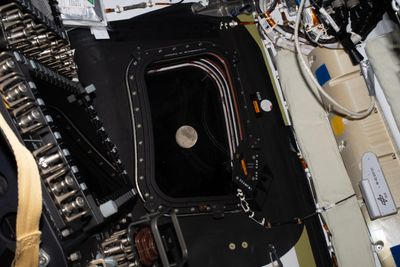


It seems pretty safe to say that Artemis fever has overtaken not just all of us at IFLScience but most of the internet. From the best accidental advertising Nutella could have hoped for to heartbreaking space moments, here's a roundup of all the most impressive images from the 8 days of Artemis mission so far.
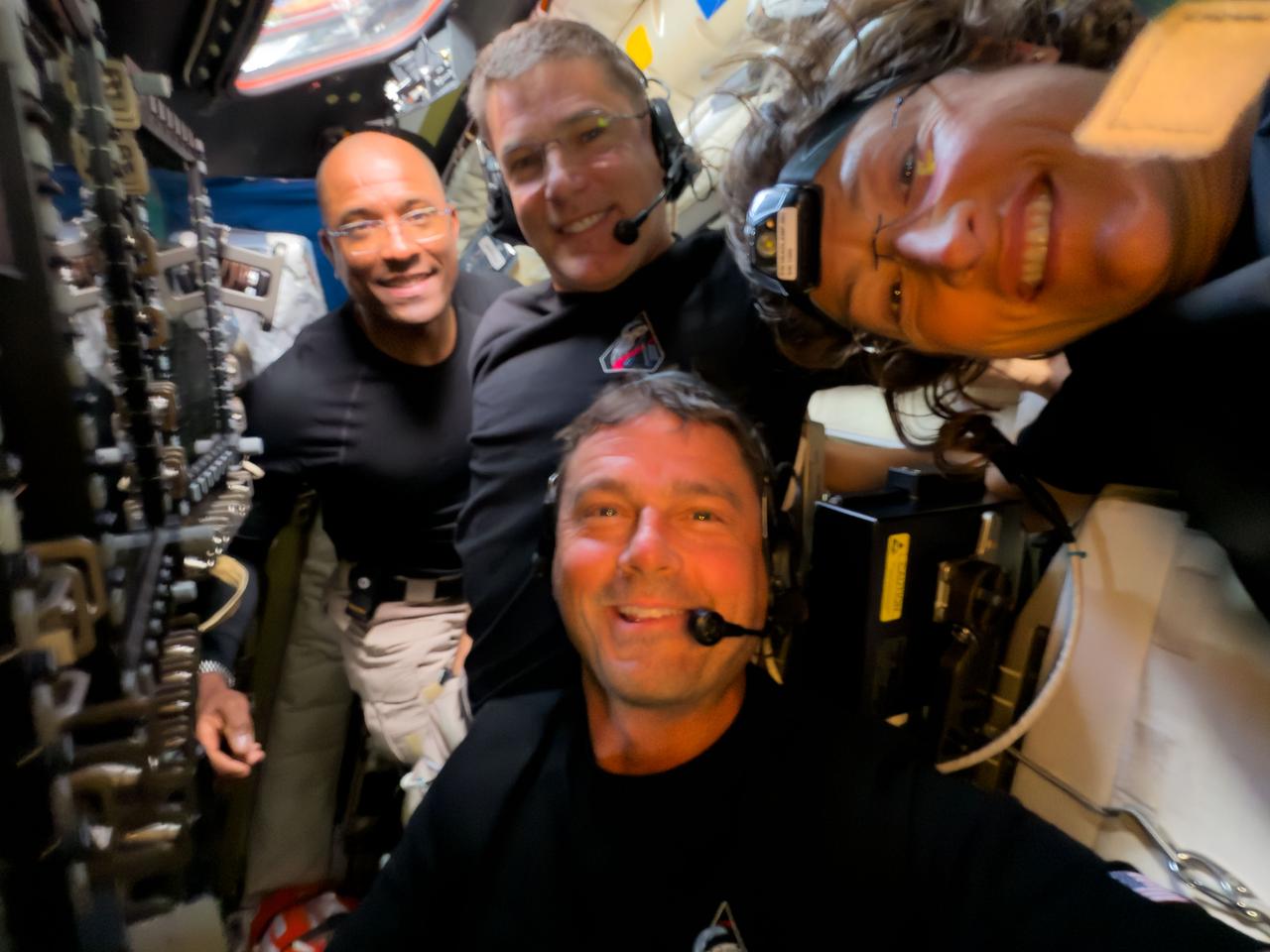
The rest of this article is behind a paywall. Please sign in or subscribe to access the full content.The four members of the crew are all exceptionally qualified and were selected back in April 2023. Reid Wiseman, Victor Glover, Christina Koch, and Jeremy Hansen have been training for this mission for 3 years, but that hasn't stopped them having some fun moments aboard Orion. During their lunar observation period they even managed to snap a quick crew selfie.
A moment that sent tears streaming from all our eyes was the naming of a moon crater in honor of Commander Wiseman's late wife Carroll Taylor Wiseman, who passed away in 2020 after a battle with cancer. "It's a bright spot on the moon and we would like to call it Carroll," said Hansen. We're not crying...
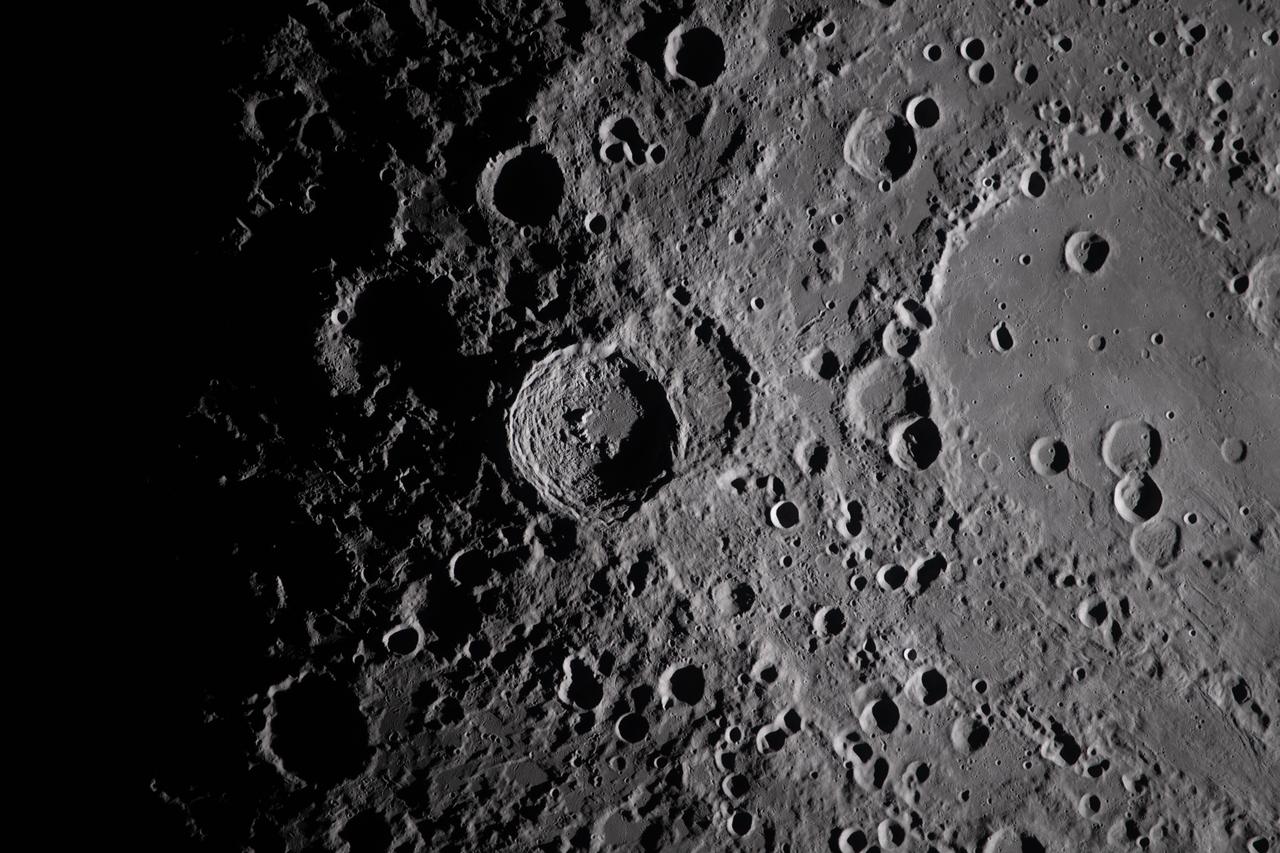
Of course, the lunar flyby was what everyone most wanted to see as the astronauts traveled further from Earth. Stunningly detailed images of the impact craters that decorate the Moon's surface have now been beamed back to Earth. Currently there are more than 1.3 million craters measuring larger than 1 kilometer (miles) across, and many more smaller ones exist too. Because of the lack of weather or atmosphere on the Moon, these craters show the satellite's history written on its surface.
Another incredible image is this one of the Milky Way snapped by the crew. Our galaxy spans more than 100,000 light years and Earth is found on one of its spiral arms, showing a new perspective on the mission.
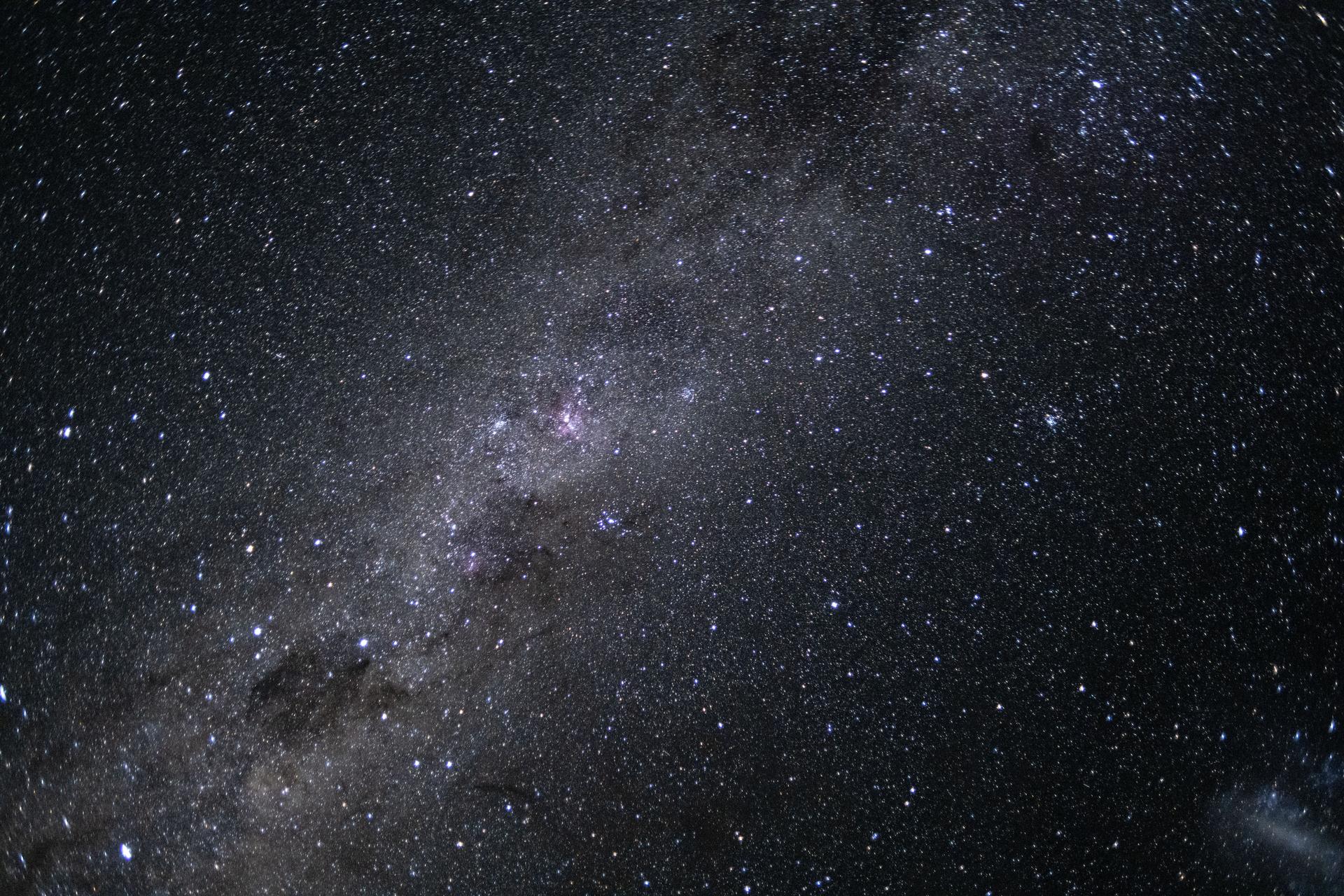
The Artemis II mission went further from Earth than any crewed mission before as it conducted its lunar flyby. The program serves as the sister to the Apollo missions of the 1960s and 70s as it aims to return humans to the moon by 2028. The uncrewed Artemis I mission in 2022 was the test for the Orion spacecraft that successfully launched and traveled 2.25 million kilometers to the Moon and back for 25 days.
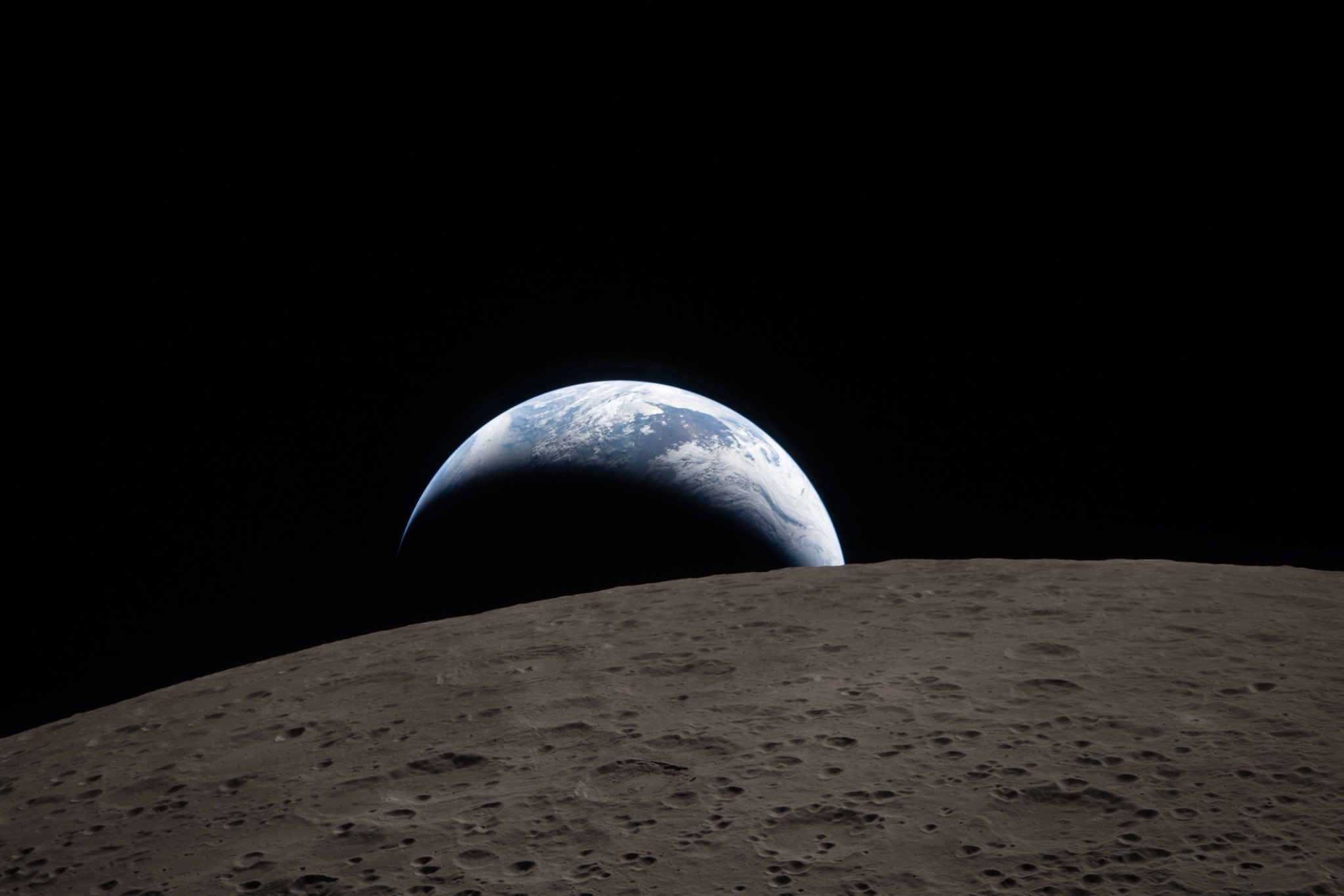
Another change of perspective comes in this photo of Earth setting behind the Moon. It is named Earthset and was captured through the Orion spacecraft window on April 6. The dark portion of Earth is experiencing night, while clouds are visible over Australia in daytime. The photograph serves as a reminder of the well-known Earthrise image taken by Bill Anders as part of the Apollo 8 mission that flew a crew around the Moon for the first time.



 1
1