Health and Medicine
 PUBLISHED


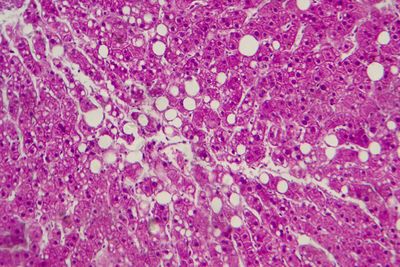


A group based at the Hebrew University of Jerusalem in Israel has investigated how compounds derived from cannabis improve liver function in mouse models of non-alcoholic fatty liver disease (NAFLD).
The rest of this article is behind a paywall. Please sign in or subscribe to access the full content.NAFLD, also known as metabolic dysfunction-associated steatotic liver disease (MASLD), is a common condition that the US National Institute of Diabetes and Digestive and Kidney Diseases estimates affects about 24 percent of US adults. It is strongly linked to obesity, insulin resistance, and high blood pressure, and its effects spread far beyond the liver due to its influence on whole-body metabolism.
Previous research in mice has shown that the non-psychoactive compounds cannabidiol (CBD) and cannabigerol (CBG), which are both derived from the cannabis plant, can reduce liver inflammation and slow the progression of the disease. While some research has shown that these compounds have beneficial metabolic effects, results have been conflicted and the mechanisms behind the specific effect on MASLD weren’t understood.
“Our findings identify a new mechanism by which CBD and CBG enhance hepatic energy and lysosomal function,” Professor Joseph Tam, who leads the group behind the research, said statement. “This dual metabolic remodeling contributes to improved liver lipid handling and highlights these compounds as promising therapeutic agents for MASLD”.
The mice were randomized into three groups, each of between eight and 10 mice, that were either administered CBD, CBG, or a control substance made from ethanol and saline over a period of four weeks. Prior to this, they had been fed an obesity-inducing diet for 14 weeks, while a separate group was fed a standard diet. The researchers then analyzed the mice’s muscles, blood, liver, and other organs to see what the effect had been.
One of the most important findings was that the cannabinoid compounds seemed to increase the levels of creatine and phosphocreatine, molecules whose names might ring a bell for those who have ever taken creatine monohydrate as an exercise supplement. The statement describes how creatine acts like a “backup battery” that helps the liver remain healthy even when under stress from a high-fat diet, thought to be one of the factors that can increase the risk of developing MASLD.
The researchers also report that the two compounds restored the activity of enzymes called cathepsins, which help the liver to break down harmful fats and waste products. Both CBG and CBD raised the level of cathepsins back to that seen in mice that were fed a standard diet. Overall, CBG appeared to have a more pronounced effect than CBD on most of the metrics the researchers assessed.
While the findings are encouraging, they are only applicable in mice, and they may not hold true in human beings. For this reason, the researchers stress the importance of doing further research to understand how their results can be best applied to human patients.
The study is published in the British Journal of Pharmacology.


 1
1