Nature
 PUBLISHED


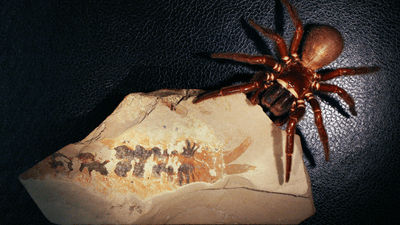


When inspecting a Cambrian-era arthropod fossil, Research Scientist Rudy Lerosey-Aubril at Harvard University noticed something strange. The creature in his hands had a claw where there was supposed to be an antenna.
The rest of this article is behind a paywall. Please sign in or subscribe to access the full content."Claws are never in that location in a Cambrian arthropod," he said in a release. "It took me a few minutes to realize the obvious, I had just exposed the oldest chelicera ever found."
The new-to-science species has been named Megachelicerax cousteaui in honour of oceanographer Jacques Cousteau. It dates back 500 million years, and has shifted our understanding of the emergence of an animal group we still share the Earth with today.
"Cousteau and his crew inspired generations to look beneath the surface," said Lerosey-Aubril. "It seemed fitting to name this ancient marine animal after someone who changed the way we see ocean life."
Uncovering its curious traits involved over 50 hours of fossil preparation as Lerosey-Aubril used a fine needle under microscope to expose its anatomy. His hard work revealed the fossil includes a “head shield” attached to nine body segments.
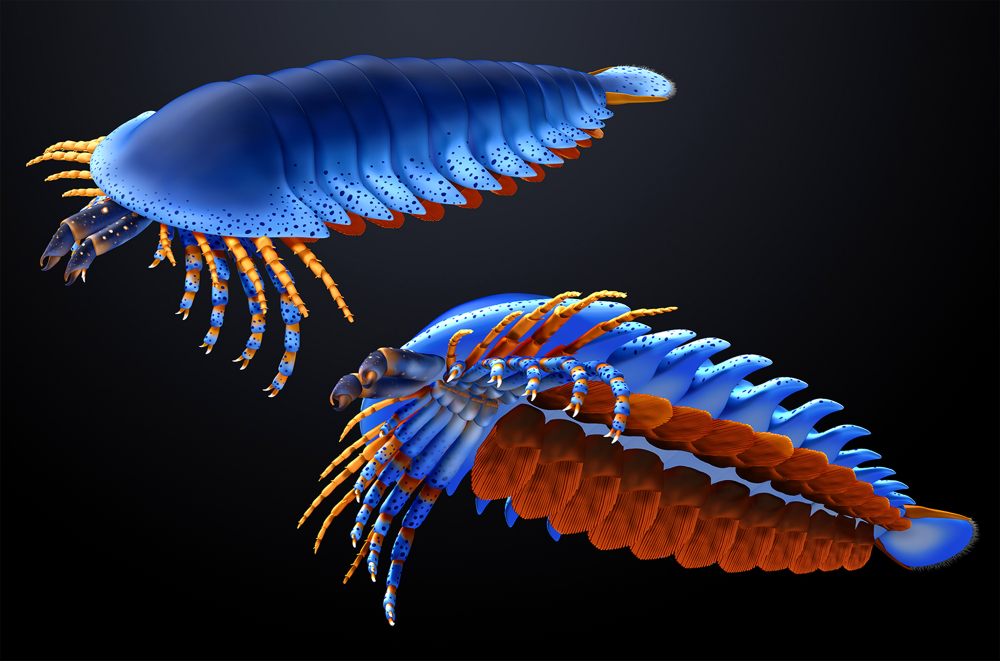
The head shield is equipped with six pairs of sensory limbs specialized for feeding, while the body segments have an undercarriage of respiratory structures similar to the book gills we see on horseshoe crabs alive today. Most exciting of all, however, is that curious "claw".
Known as chelicera, these pincer-like appendages are a key characteristic of the subphylum Chelicerata. It’s what separates the spiders from the insects, as the chelicera developed in place of antenna.
Small grasping apparatus? Sure, but it’s huge news for palaeontology, as before now nobody had ever found an arthropod with chelicera from the Cambrian period – a time from which we have *a lot* of fossils.
It pushes back the emergence of chelicerates by 20 million years. The last title-holders for the oldest of the subphylum were from the Early Ordovician around 480 million years ago. As well as pushing back our understanding of their origin, the fossil demonstrates a key transitional period in the development of the chelicerate body plan.
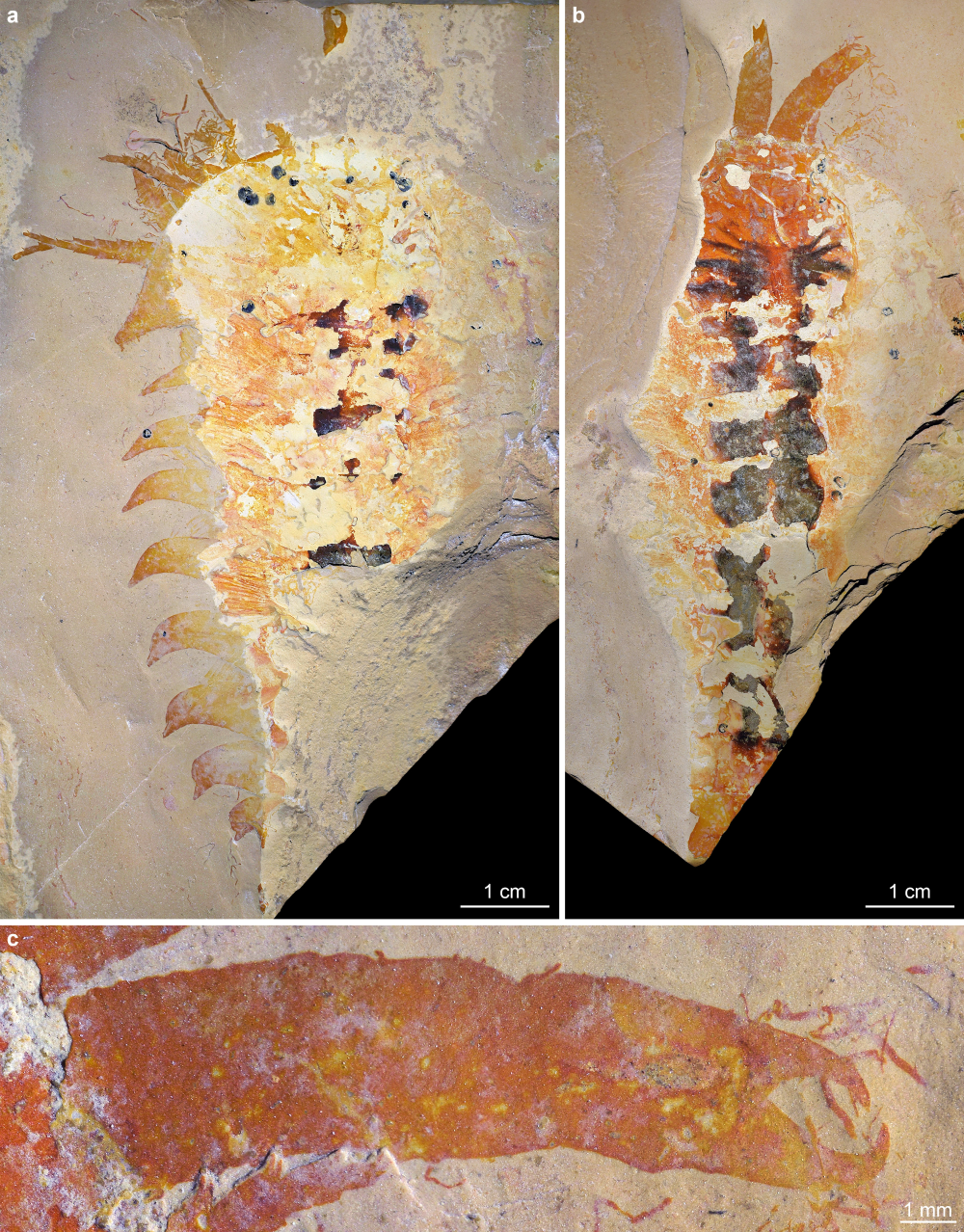
"Megachelicerax shows that chelicera and the division of the body into two functionally specialized regions evolved before the head appendages lost their outer branches and became like the legs of spiders today," added Associate Professor Javier Ortega-Hernández, Curator of Invertebrate Paleontology in the Museum of Comparative Zoology. "It reconciles several competing hypotheses; in a way, everybody was partly right."
Today, there are over 120,000 living species of chelicerates alive on Earth. We know them as spiders, scorpions, mites, horseshoe crabs, and sea spiders. Successful animals that we now know have been scuttling around for half a billion years.
"For thousands of years, these animals have quietly existed among us, deeply influencing our lives from pop-culture to medical and agricultural contributions," explained Ortega-Hernández. "This fossil discovery sheds new light on their origins."
The study is published in the journal Nature.